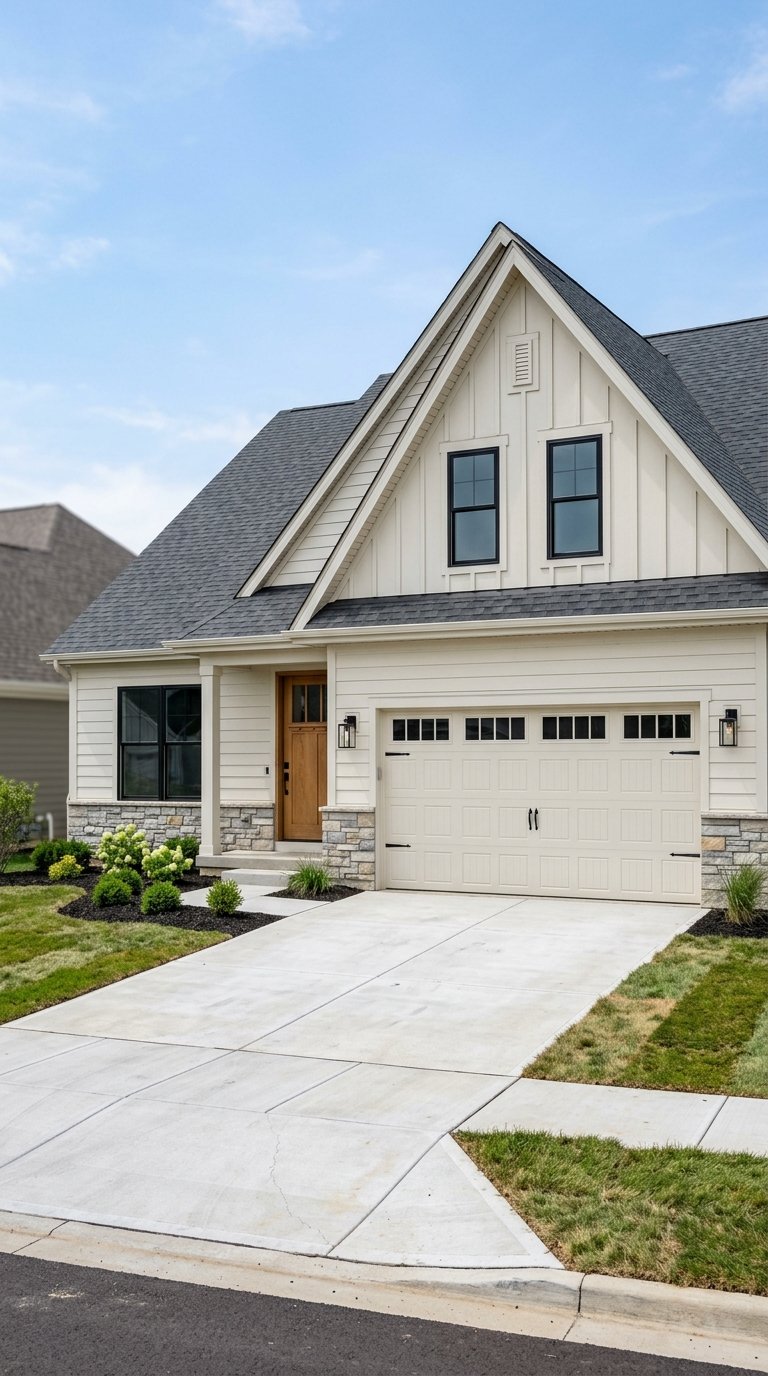
Navigating New Construction Homes In Weston WI
June 4, 2026
June 4, 2026
Thinking about a brand-new home in Weston? You are not alone. Residential construction activity has picked up in a big way, which creates exciting options but also more decisions around builders, lots, timelines, pricing, and contracts. If you want to feel informed before you tour model homes or sign anything, this guide will walk you through what to watch for and how to move forward with confidence. Let’s dive in.
Weston has seen strong new residential development activity. According to the village’s 2025 development report, 74 dwelling units began construction, single-family starts reached a 20-year high, and total permit valuation hit $48,749,258. For buyers, that means you may have more opportunities to compare neighborhoods, floor plans, and build stages than in past years.
New subdivisions are part of that growth. Weston approved Granite Ridge in 2025 as an 87-lot, 69.98-acre subdivision with about 107 dwelling units at buildout, and later village materials noted that Timber Ridge Builders had started construction there. That kind of expansion matters because it can affect lot availability, timing, and the kind of home options you see on the market.
Several developments help show what the current Weston market looks like. Hinner Springs is an active subdivision where Timber Ridge Builders says single-family construction is underway on the north end, townhomes are underway on Green Pastures Lane, and twin homes are planned later. Green Tree Companies also says Green Tree Acres will add 83 lots across five phases.
That mix gives you more than one path into new construction. You may find a move-in-ready home, a home already under construction, or a lot and build package with more room for selections. Your best option depends on your timeline, budget, and how involved you want to be in design decisions.
In Weston, the lot itself is not just a backdrop for the house. Village rules require either a subdivision plat or a certified survey map for land divisions, and land divisions creating more than three child parcels require a plat. In practical terms, that means phase status, lot layout, and approvals should be part of your decision from the beginning.
If you focus only on the floor plan, you could miss details that affect your purchase timeline or future surroundings. Ask whether the lot is fully ready for construction, what phase the development is in, and what improvements are already complete. Those questions can help you avoid surprises later.
Not all builders offer the same experience. In and around Weston, buyers may come across production or semi-custom builders, design-build companies, and fully custom builders. Current examples in the market include Timber Ridge Builders, Green Tree Companies, Jones & Jones, and Schwanz Custom Homes.
A smart comparison goes beyond photos and pricing. You will want to understand what is included as standard, what counts as an upgrade, how the builder communicates during the process, and what warranty is provided after closing. Those details often shape your experience more than the brochure does.
Before you choose a builder or community, ask clear questions like these:
These questions make it easier to compare homes fairly. A lower starting price may not be the better value if another builder includes more features, a larger lot, or fewer out-of-pocket upgrades.
Weston listings show how important it is to compare details, not just headline numbers. Green Tree’s Weston inventory page lists homes from about $317,345 to $549,999, while Timber Ridge’s move-in-ready Willow in Hinner Springs is listed at $409,900. Those are useful reference points, but they do not tell the whole story on their own.
For example, Timber Ridge’s Hinner Springs listing says that move-in-ready home includes kitchen appliances, rain gutters, and a one-year builder warranty. Green Tree’s Weston page also says its community offers a one-year builder warranty. When you compare homes, look closely at included features, lot size, and build stage so you can see the true value.
This is one of the easiest steps to overlook. In Wisconsin, the Department of Safety and Professional Services says a dwelling contractor certification or dwelling contractor restricted certification and a dwelling contractor qualifier are required before a building permit can be obtained for a one- and two-family dwelling.
That does not mean you need to become an expert in licensing, but it does mean you should ask direct questions. Confirm that the builder has the credentials needed to pull permits for the type of home you are buying. It is a simple step that can add peace of mind.
New construction usually takes longer than buying an existing home. New-home sales often involve longer timelines than resale homes, averaging about eight months and sometimes stretching to two years for fully custom builds. The exact timing depends on the builder, home type, weather, permits, selections, and the stage of construction when you sign.
That longer process can be worth it if you want a newer layout, fresh finishes, and less immediate maintenance. Still, it helps to go in with realistic expectations. A home that looks close to finished may still need inspections, final punch-list work, or municipal approvals before closing.
Many new construction purchases include these stages:
Knowing the sequence helps you plan for your move and budget. It also makes it easier to ask the right questions at the right time.
The contract matters just as much as the home itself. Consumer guidance says buyers should make purchase offers contingent on financing and a satisfactory inspection. If the home is not yet built, buyers should also ask under what conditions the builder deposit or earnest money can be returned.
You should also remember that you do not have to use the builder’s affiliated lender. You can shop around and compare loan options. Even a small difference in terms or fees can affect your monthly payment and cash needed at closing.
Many newly built homes come with a builder warranty, but coverage is not all the same. Consumer guidance notes that warranties often cover workmanship and materials for about one year for many components, around two years for HVAC, plumbing, and electrical systems, and sometimes up to 10 years for major structural defects. The actual coverage depends on the written warranty.
Read that warranty before you close, not after. Pay attention to what is covered, what is excluded, how claims must be submitted, and whether disputes must go through mediation or arbitration. Keep repair requests in writing so you have a clear record if an issue comes up.
One of the biggest surprises in new construction is how fast the total cost can rise. Upgrades can add tens of thousands of dollars above the original quoted base price, especially when you start changing finishes, adding features, or choosing a premium lot. That is why you should ask for estimates on any feature you are considering before you commit.
In Weston, local fees also help shape the real cost of a build. The village fee schedule lists a residential building permit fee of $600 plus $20 per 100 square feet over 1,500 square feet for a single-family detached or two-family residence. The parkland dedication fee is $244 per single-family lot, and a new residential driveway permit is $75.
Those numbers may or may not be wrapped into the price you first see. Ask exactly what is included for site work, permits, and improvements so you can compare homes accurately.
Weston requires permits before work starts, handles applications through the Evolve portal, and requires inspections to be requested at least the day before the on-site date. The village also notes that starting work without a permit can trigger a tripled fee. That matters because permit timing and inspection scheduling can affect your closing date.
For buyers, the takeaway is simple. The true cost of a new home is more than the base floor plan and cabinet package. Local fees, permit timing, and site readiness all play a role in the final outcome.
Some buyers wonder if they should work directly with a builder’s sales team or have their own representation. Both paths exist, but they are not the same. Consumer guidance says agents can represent the buyer or the seller, so you should always ask who the agent represents and how compensation works.
Written buyer agreements outline services and compensation, and buyers can request compensation from the seller or seller’s agent, although it is not guaranteed. This is especially important in new construction, where builder-specific incentives and terms can differ from one development to another.
Independent representation can be especially useful when you are comparing active developments, evaluating lot premiums, or deciding whether a builder incentive is worth giving up advocacy during the contract and follow-up process. New construction has more moving parts than many resale purchases, and a second set of eyes can help you stay organized.
One current Weston example shows why it pays to compare carefully. Green Tree’s page says buyers who work directly with Green Tree agents without a buyer’s agency agreement or real estate agent may receive 1% compensation, while the page also notes that compensation offers and concessions are negotiable and subject to written agreement. That kind of builder-specific term is exactly why you should compare your options before choosing a path.
If you are exploring new construction in Weston, try to think in layers. Start with the community and lot, then compare the builder, included features, warranty, build timeline, and contract terms. Finally, review the full budget, including upgrades and local fees.
That approach can help you avoid getting attached to a floor plan before you understand the full picture. It also gives you a clearer way to compare communities like Hinner Springs, Green Tree Acres, Granite Ridge, and other new opportunities as Weston continues to grow.
New construction can be a great fit if you want a newer home, a more modern layout, and the chance to choose finishes that match your style. The key is making sure your excitement is backed by solid information and a plan you feel good about.
If you are considering a new construction home in Weston and want a local guide who can help you compare communities, ask better questions, and stay clear on the details, reach out to Joleta Wesbrock. She is here to help you move forward with confidence.
Stay up to date on the latest real estate trends.
I offer the highest level of knowledge, service and integrity. I care deeply about my clients and customers. Their real estate needs are my #1 priority and my goal is to exceed your expectations and be your realtor for life.