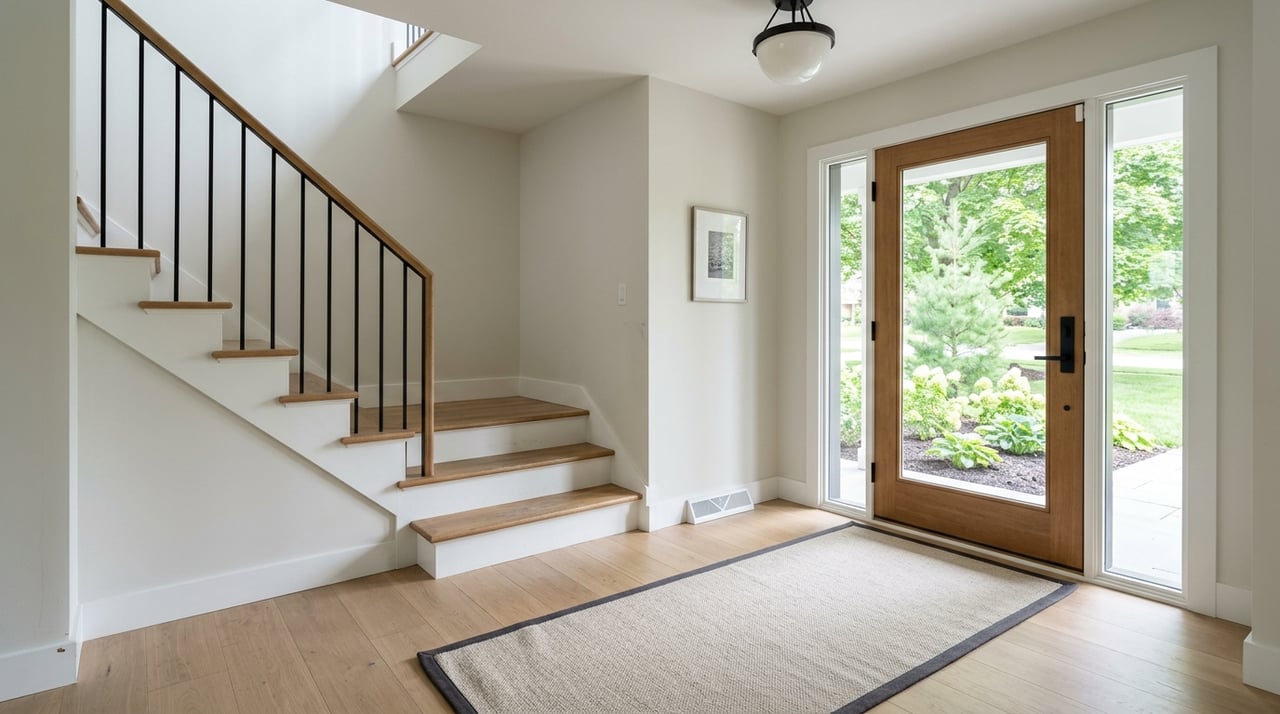
Relocating To Weston From Afar: Buyer Roadmap
July 16, 2026
July 16, 2026
Thinking about buying a home in Weston while living somewhere else? That can feel like a lot to manage, especially when you are trying to compare neighborhoods, school boundaries, travel logistics, and offer deadlines from a distance. The good news is that with the right plan, you can make smart decisions without guessing. This roadmap will show you how to narrow your search, use the best local tools, and move through a remote purchase in Weston with more confidence. Let’s dive in.
If you are relocating to Weston from afar, one of the first things to know is that Weston is not always a simple one-area search. The village is part of the south Wausau suburban cluster in Marathon County, and the D.C. Everest district includes Weston along with nearby communities such as Rothschild, Kronenwetter, Schofield, Easton, Hatley, Reid, Ringle, parts of Norrie, and portions of Wausau.
That matters because your home search may involve more than finding the right price or square footage. You may also be comparing access corridors, neighborhood feel, and school-zone boundaries that do not always line up neatly with what an out-of-town buyer expects.
Weston’s 2022 population estimate was 15,809, and the village covers 21.58 square miles. With that size and layout, it helps to think of Weston as a set of distinct pockets rather than one compact town center.
A smart remote search starts by dividing Weston into practical lifestyle zones. According to the village’s comprehensive plan, the largest community park and main school recreation areas are concentrated in the older, more heavily urbanized part of the village, while the school forest is in the more rural northeast area.
That gives you a useful frame for comparing homes. Some properties may place you closer to established in-town streets and community amenities, while others may feel more tucked away near newer or edge-of-village settings.
When you cannot drive the area every weekend, this kind of comparison helps you ask better questions. Instead of saying, “Is Weston a good fit?” you can ask, “Do I want an older in-town setting or a more rural edge-of-village setting?”
Parks and trails can help you understand an area faster than a map alone. Weston reports eight developed parks, one trail system, and a dog park totaling 316.4 acres.
Current park listings include Kellyland, Kennedy, Machmueller Family, Robinwood, and Sandhill Meadows. The trail system includes the Eau Claire River Trail and the Mountain-Bay Trail.
If you are relocating from afar, these public spaces can act as reference points during your search. When a listing comes up, you can compare its location to nearby parks, trail access, and road routes to get a clearer feel for day-to-day convenience.
Boundary confusion is one of the easiest ways a remote move can get stressful. D.C. Everest Area School District serves Weston and nearby communities, including Weston Elementary, and the village specifically notes that community and district lines can be confusing.
That means you should verify school-zone details early in the process rather than assuming a Weston mailing address tells the full story. For many buyers, especially those planning a move around daily routines, that early check can save time and prevent disappointment later.
The goal is not to rely on broad assumptions about a town name. The goal is to confirm the exact property location and the relevant district information before you get too far into decision-making.
One of the best tools for remote buyers is Marathon County’s GIS system. It lets you view aerial photographs, topography, soils, shoreland areas, land ownership, property lines, school and voting district boundaries, property tax rates, assessed values, and zoning.
This is especially helpful when you are trying to compare homes online and want more than listing photos. You can use county mapping tools to study lot shape, nearby roads, surrounding land use, and how a parcel sits relative to other properties.
The county also warns that these maps are for reference only, not legal instruments. If you need precise accuracy, certified maps, plats, surveys, flood studies, or other official documents are the right next step.
The Marathon County Public Library’s land-records page can also help you research from a distance. It points buyers to the county parcel lookup, the mapping system, printed plat books, and the statewide parcel viewer.
That is useful when you are narrowing your shortlist and want to compare parcel shape, road access, and nearby land use before booking a trip. For example, two homes may look similar in photos, but parcel and map research can reveal important differences in layout and surroundings.
For remote buyers, this kind of prep work helps make every in-person visit more productive. You arrive already knowing which properties deserve the closest look.
Virtual tours work best when you treat them like a decision tool, not just a casual preview. Once you narrow your search with maps, parks, school boundaries, and parcel details, video tours can help you compare how homes actually flow room to room.
This is where local coordination matters. A hands-on agent can help you focus on the details that are harder to judge online, such as how the lot sits, what the street feels like, and how the home connects to nearby roads or amenities.
For a remote move, the process tends to work best when each showing answers specific questions. That keeps you from getting overwhelmed by listings that look great on a screen but do not match your priorities on the ground.
In Wisconsin, the standard residential offer form is the WB-11 Residential Offer to Purchase. The current DSPS form language says the inspection contingency authorizes inspections, not testing, unless separate testing language is added.
It also contemplates a Wisconsin registered or licensed home inspector and allows follow-up inspections tied to the written report and deadline. For a remote buyer, that means deadlines and wording matter, especially when you are coordinating everything from another city or state.
DSPS buyer-disclosure language also says that an agent can answer brokerage questions, but legal advice, tax advice, and professional home inspection questions should go to an attorney, tax advisor, or home inspector. That is a big reason remote transactions work best when your agent, title company, and inspector are all moving in sync.
If you are considering a home built before 1978, there is another step to know. Wisconsin DHS says sellers, landlords, or sales agents must provide the EPA lead pamphlet, disclose known lead hazards, and give buyers a 10-day period for a lead-based paint inspection or risk assessment.
In practical terms, older housing can come with extra disclosure and decision points. That does not mean an older home is off the table. It simply means you should be ready for additional paperwork and timelines if a home falls into that age category.
Wire fraud is one of the biggest risks in any remote transaction because you are relying on emails, deadlines, and multiple parties. The FTC warns that wiring money is like sending cash, and once it is gone it is usually hard to recover.
A simple habit can help reduce risk: always verify wiring instructions using a trusted phone number or another independently confirmed contact method. Do not rely only on a last-minute email, even if it looks legitimate.
For buyers relocating from afar, careful verification is not an extra step. It is part of the standard process.
Wisconsin allows remote online notarization for remotely located individuals, but the notary must be commissioned in Wisconsin and follow additional safeguards. The Wisconsin Department of Financial Institutions says remote notarizations require audio-video recording and seven-year retention.
It also notes that out-of-state notarial acts can have the same effect under Wisconsin law when they are completed through a compliant workflow. That can create flexibility if travel becomes difficult near closing.
At the same time, closing is not only about signing. Wisconsin DOR says a completed real estate transfer return and collection of the fee are prerequisites to recording, and the fee is 30 cents for each $100 of value or fraction thereof.
If you plan to visit Weston during the process, the most efficient trip is usually the one tied to the inspection, final walkthrough, or closing window. That approach lets you stack key decisions into one visit instead of making multiple rushed trips.
For air travel, Central Wisconsin Airport in Mosinee serves Wausau, Stevens Point, and surrounding communities. The airport says it is roughly equidistant between Wausau and Stevens Point, is served by American, Delta, and United, and offers the first three hours of parking free.
For many relocating buyers, that regional airport option makes Weston more manageable than it may first appear on a map. It gives you a practical way to plan a focused visit when the timing matters most.
When you are buying from afar, success usually comes down to coordination. In Weston, that means interpreting county maps, checking boundaries, scheduling video tours, lining up inspections, confirming title and notary logistics, and keeping deadlines on track.
That support matters because neighborhood lines, district boundaries, and parcel details can be easy to misunderstand from a distance. A responsive local guide helps turn a remote move into a process you can actually follow.
If you are planning a move to Weston, the right roadmap can help you feel informed before you ever step into a home. When you are ready for local insight and hands-on relocation support, connect with Joleta Wesbrock for guidance tailored to your move.
Stay up to date on the latest real estate trends.

I offer the highest level of knowledge, service and integrity. I care deeply about my clients and customers. Their real estate needs are my #1 priority and my goal is to exceed your expectations and be your realtor for life.