Marathon City WI Things to Do Are Changing at Village Park
August 13, 2026
August 13, 2026
Drive through Marathon City on a summer weeknight and you used to be able to guess where everyone was: home, mostly, or at the Swim Center on 4th Street. That guess doesn't hold anymore. This summer, for the first time in the village's history, there's a single place where the basketball games, the pickleball rallies, and the Little League lineups all happen at once, and it sits on land that was mostly open grass a year ago.
The shift didn't happen by accident, and it didn't happen alone. A new park opened. A new ordinance passed. And a road project split the village's main corridor in half for most of the summer. Taken separately, these are three small-town news items. Taken together, they explain something a visitor would never notice but a resident feels every week: how people in Marathon City actually get from one side of town to the other has quietly changed.
The County Materials Sports Complex opened at Village Park on March 23, 2026, and the number attached to it is worth sitting with for a village of about 1,541 residents. The project ran roughly $4.2 million, and the village's own announcement is direct about where that money came from: the complex was funded "almost entirely through generous donations and extraordinary public support," not through a tax levy increase.
What that bought is not a vague upgrade. It's a specific list:
For a village this size, that's not an amenity, it's a new center of gravity. Before this spring, organized outdoor recreation in Marathon City meant driving to Wausau or improvising on a school lot. Now it means walking or biking to Village Park, which sits close enough to downtown that the fire department and police department rolled trucks and squad cars over for the ribbon cutting instead of trailering equipment in from out of town.
Here's the part that only shows up if you're paying attention to the village board's June agenda. On June 3, 2026, Marathon City trustees voted to allow golf carts on public streets, operating under the same basic rules as UTVs and ATVs. Anyone with a valid driver's license can drive one, but the cart itself has to be registered through the village first, according to Central Wisconsin News's coverage of the ordinance.
That ordinance landed about ten weeks after the sports complex opened, and the timing matters more than it looks. A golf cart is a genuinely practical way to get a cooler and three kids from a house near Woodruff Hardware on North Street to a 6 p.m. game at Village Park without moving the family car twice in one evening. It's a short-hop vehicle for a village where most errands and most ballgames are now within a few blocks of each other, once you're allowed to drive something smaller and slower than a sedan to get there.
The village didn't get this summer entirely to itself. State Highway 107, which runs straight through the center of Marathon City, has been under active construction since spring, with crews replacing curbs and repaving the stretch between Eighth Street and North Street. Central Wisconsin News reported that the road stays open to traffic throughout, but drivers should expect flagging operations and single-lane closures that run through the end of August.
That's not the only project residents dealt with this year. In June, the village closed 4th Street between Main and Market for about a month so crews could carve a right-turn lane onto northbound Highway 107, a project the village's own site flagged as a roughly month-long closure starting June 12. The sports complex was already open, and the golf cart vote came just before that detour began.
Here's how the two projects actually line up against each other:
| Project | Status as of August 2026 | What it means for getting around |
|---|---|---|
| 4th Street turn lane (Main to Market) | Closed roughly June 12 to mid-July, now reopened | Detour is over, but it forced residents to learn side-street routes for a month |
| Highway 107 curb and repave (8th to North) | Ongoing, expected through end of August | Single-lane closures and flagging on the village's main corridor, right through peak sports-complex season |
Put the road work next to the golf cart ordinance and a small village's logic starts to make sense. When your main street is down to one lane for flaggers most of the summer, a slower, smaller vehicle that can cut through a side street to reach the ballfields isn't a novelty. It's the more reliable option some weeks.
None of this replaces what Marathon City already had. The Marathon Area Swim Association still runs its indoor pool on 4th Street, a facility that's operated on an early-morning-to-evening schedule for years and remains one of the longest-running gathering points in the village, open to members and non-members alike for open swim and lap time. Marathon High School's Wellness Center, tucked into the 2006 building addition that also brought the school a new gym and technology wing, still gives residents a public fitness option that predates the ballpark by two decades.
What's changed is that these two anchors used to be the whole story of organized recreation here. Now they're one piece of a three-part rotation, with Village Park handling the outdoor team sports and pickup games that neither the pool nor the Wellness Center was ever built to hold.
Put it together and a resident's Saturday this month might actually look like this:
None of that day existed in this exact shape a year ago. The pool and the Wellness Center were there, but the park wasn't, the carts weren't legal, and the road wasn't torn up in the way that makes the carts useful rather than just fun.
That's the real story of Marathon City this summer. It's not one headline, it's three ordinary local decisions, a park, an ordinance, a road project, that happened to land in the same six months and quietly rewired how 1,541 people move through their own village.
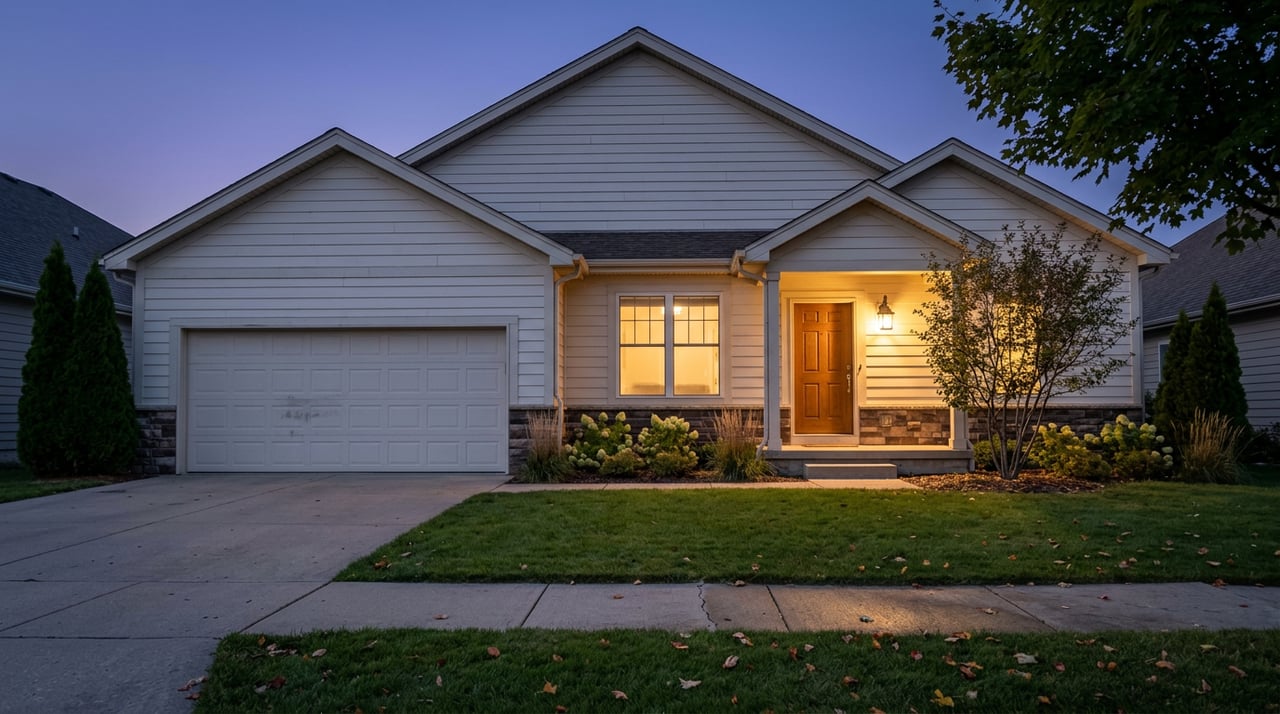
If you're watching Marathon City from the outside and wondering whether a village this size can still surprise you, this is what that looks like up close: a community that raised $4.2 million on its own, then adjusted its own traffic rules to match. For anyone thinking about what it actually means to live in a place like this, not just what the listing photos show, Joleta Wesbrock has been tracking these kinds of on-the-ground shifts across Central Wisconsin for years. Guiding You Home starts with knowing what's actually changed in the neighborhood, not just what's for sale in it. Reach out for a free home valuation and a conversation about what's really happening in the market around you.
This article is general information, not legal, tax or financial advice. Consult a qualified professional about your situation.
Stay up to date on the latest real estate trends.
I offer the highest level of knowledge, service and integrity. I care deeply about my clients and customers. Their real estate needs are my #1 priority and my goal is to exceed your expectations and be your realtor for life.