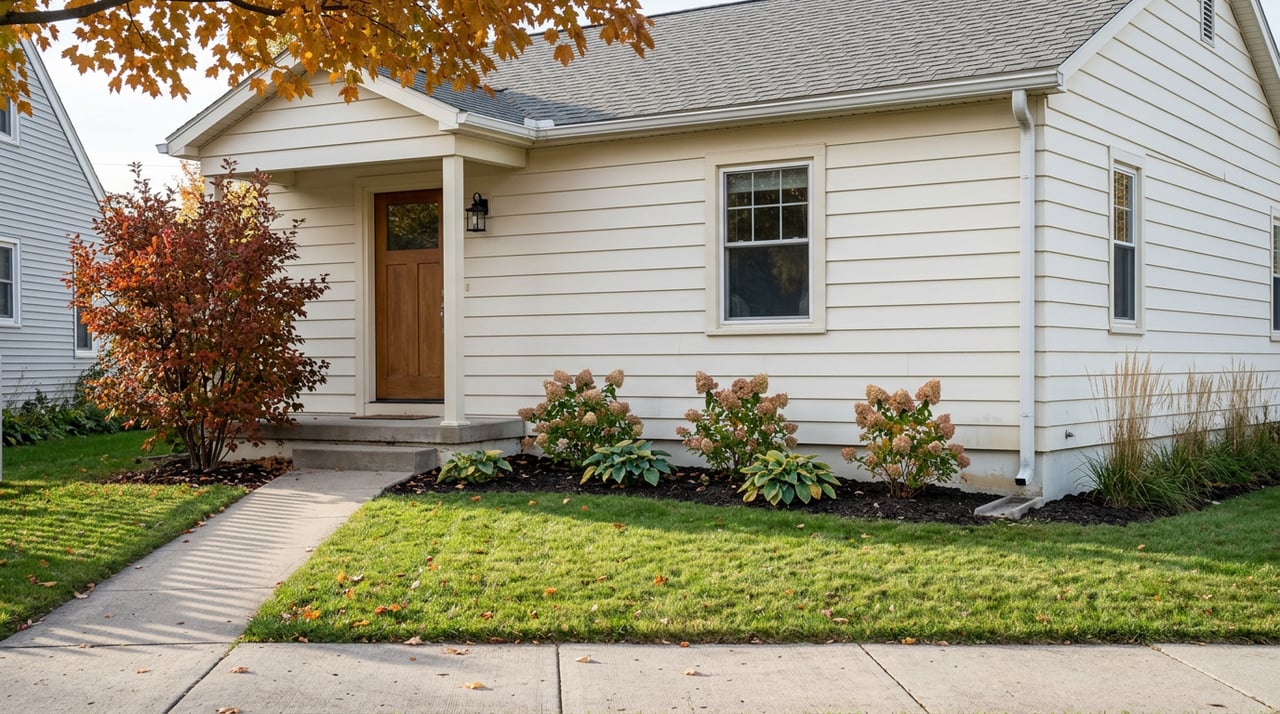
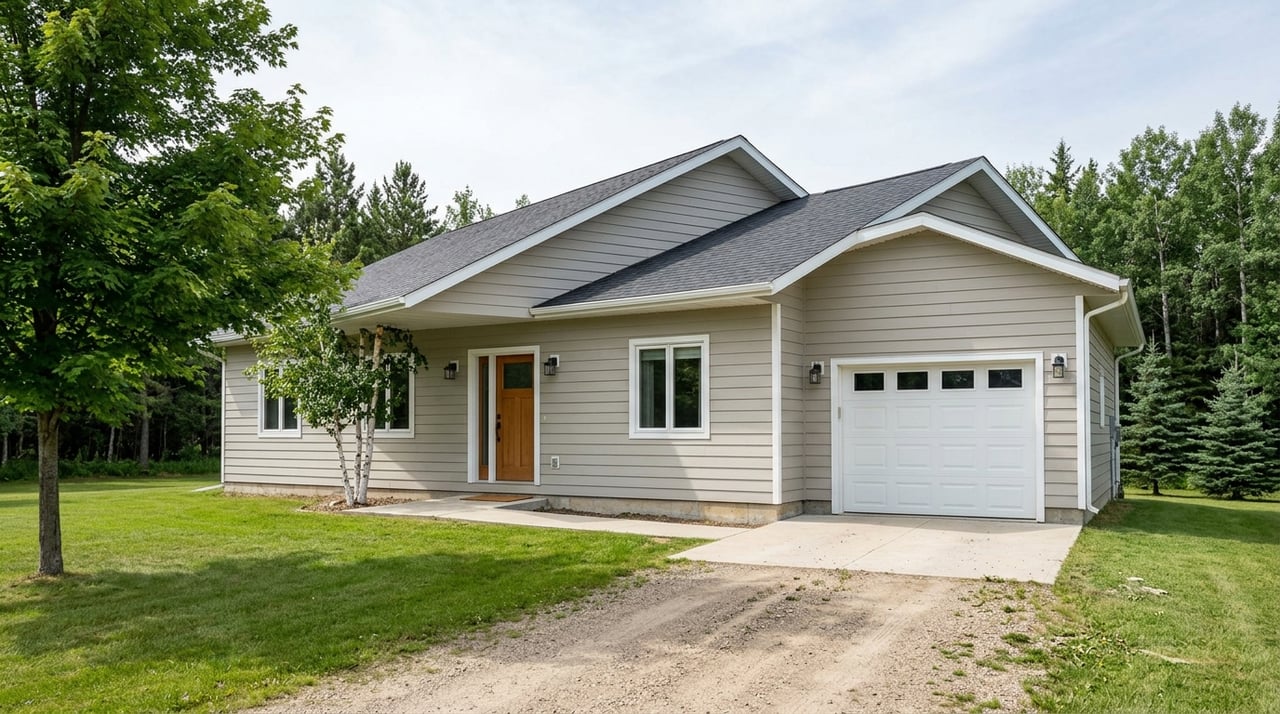
Are you ready for a true Mosinee winter? Months of cold, steady snow, and freeze–thaw cycles can stress every part of your home. You want to stay warm, safe, and protect your property value without surprise repairs. This guide gives you a practical checklist tailored to Mosinee’s climate, so you can prevent problems and control costs. Let’s dive in.
Why Mosinee winters matter
Mosinee winters are long and often below freezing, with regular snow and occasional warm spells. That mix creates snow melt and refreeze, which can lead to ice dams on roofs. Heating systems run hard for months, so maintenance affects both comfort and energy costs. Planning ahead keeps your home safer and your budget steadier.
Pre‑winter checklist (Sept–Nov)
- Schedule a professional heating tune‑up. Have a technician inspect the furnace, boiler, or heat pump, including burner, heat exchanger, controls, and venting.
- Replace or clean filters. Set a reminder to change them every 1–3 months based on filter type and household needs.
- Test smoke and carbon monoxide alarms. Install CO alarms on every level and near bedrooms. Replace batteries and check the device manufacture date.
- Inspect attic insulation and ventilation. Seal warm air leaks into the attic and add insulation as needed to reduce heat loss and ice dams.
- Clean gutters and downspouts. Clear leaves before the first freeze and confirm downspouts move water away from the foundation.
- Inspect the roof and trim branches. Look for loose shingles and flashing issues. Trim limbs that could break under snow or ice.
- Winterize outdoor plumbing. Drain and store hoses, shut off and drain hose bibs, and winterize irrigation lines.
- Service chimneys and wood stoves. Sweep and inspect for creosote and obstructions if you plan to use them.
During‑winter checklist (Dec–Mar)
- Watch for ice dams. Look for ice at the eaves and water stains on ceilings. Use a roof rake from the ground to clear snow from the eaves. Consider professional help for large buildups.
- Keep snow and ice managed. Stay on a schedule for sidewalks and driveways, and check Mosinee’s municipal rules for clearing timelines.
- Maintain moderate humidity. Use kitchen and bath fans only as needed and avoid excess indoor moisture that can feed ice dams and condensation.
- Protect vulnerable pipes. Insulate pipes in unheated spaces and let faucets trickle during extreme cold. Know how to shut off the main water valve.
- Clear around heat pump units. If you have a heat pump, keep the outdoor unit free of snow and ice and follow manufacturer instructions.
Post‑winter check (spring)
- Inspect for leaks or stains. Check ceilings and attic for signs of water intrusion from ice dams.
- Assess roof and gutters. Look for damage from ice and snow and schedule repairs early.
- Service snow gear. Clean and store snow blowers and tools. Review any contractor performance and costs for next season.
Prevent ice dams
- Seal and insulate the attic. Air leaks around chimneys, recessed lights, and wiring let heat escape. Sealing and upgrading insulation are the best long‑term defenses.
- Ventilate the attic. Balanced ventilation helps keep roof temperatures more even.
- Use a roof rake after storms. Pull snow down from the eaves to limit melt‑refreeze at the gutters.
- Avoid risky DIY. Do not chip at ice on roofs or gutters. Call a professional if you see sagging, large icicles, or interior leaks.
Protect plumbing from freezing
- Insulate exposed pipes. Focus on basements, crawlspaces, garages, and along exterior walls.
- Keep doors open inside. Allow warm air to circulate around sinks and laundry areas.
- Set steady heat. Avoid big temperature setbacks during extreme cold to protect pipes.
- Thaw safely if needed. Open the nearest faucet and use gentle heat, like a hair dryer. Never use an open flame.
Save on heat and energy
- Use a programmable or smart thermostat. Set about 68°F when you are home and awake, then lower it when you sleep or are away.
- Add attic insulation and seal leaks. This is often the biggest single energy saver in cold climates.
- Set water heater to 120°F. Insulate older tank water heaters and hot‑water pipes if accessible.
- Seal and weatherstrip. Caulk around windows and doors, add door sweeps, and seal gaps at rim joists.
- Choose efficient lighting and appliances. Switch to LEDs and consider ENERGY STAR equipment when replacing.
- Use window coverings wisely. Close insulated curtains or thermal shades at night to reduce heat loss.
Safety first
- Test alarms monthly. Replace CO and smoke alarms per manufacturer guidance.
- Use space heaters carefully. Do not overload circuits and keep clearances around heaters.
- Keep exits clear. Shovel and treat ice at doors, steps, and any fire escapes.
- Know when to call for help. If you smell gas, see soot, have a yellow burner flame, or hear unusual furnace noises, contact a licensed pro.
Snow and access planning
- Plan snow storage. Keep plowed piles away from foundation drains, gas meters, and vents.
- Choose the right ice melt. Use products suited to your driveway and walk surface and follow instructions.
- Confirm local rules. Check with Mosinee city offices for sidewalk‑clearing requirements and snow placement rules.
Local resources to check
- Mosinee municipal offices for snow‑removal ordinances, permits, and utility contacts.
- Marathon County Emergency Management for winter storm updates and preparedness guidance.
- Wisconsin Focus on Energy and local utilities for current rebates on insulation, air sealing, and high‑efficiency equipment.
- Licensed local contractors for HVAC, roofing, plumbing, and chimney work. Verify insurance and references.
Getting your home sale‑ready
If you plan to sell in the next year, this winter checklist does more than protect comfort. It prevents moisture damage, keeps utility costs in check, and signals strong home care to buyers. Document maintenance, tune‑ups, and any upgrades so you can share them with your agent when the time is right.
When you are ready to talk timing, pricing, and what to prioritize before listing, reach out to Joleta Wesbrock for local guidance that fits your goals.
FAQs
How often should I service my furnace in Mosinee?
- Schedule a professional inspection before winter each year and replace or clean filters every 1–3 months, based on filter type and household needs.
What are early signs of an ice dam on my roof?
- Watch for icicles along the eaves, ice over gutters, and wet or stained ceiling spots near exterior walls after snow followed by a warm spell.
What should I do if a pipe freezes in winter?
- Open the nearest faucet and thaw the pipe slowly with a hair dryer or warm towels, never an open flame, and call a plumber if you suspect a break.
When should I remove roof snow or call a pro?
- Use a roof rake from the ground after storms to clear the eaves; if snow or ice builds heavily or you notice sagging or new creaks, call a qualified contractor.
What thermostat settings save energy in cold weather?
- Keep about 68°F when you are home and awake, then lower it at night or when away; avoid large setbacks during extreme cold if pipes are at risk.
Where should CO alarms be installed for safety?
- Install carbon monoxide alarms on every level of your home and near sleeping areas, test monthly, and replace per the manufacturer’s timeline.