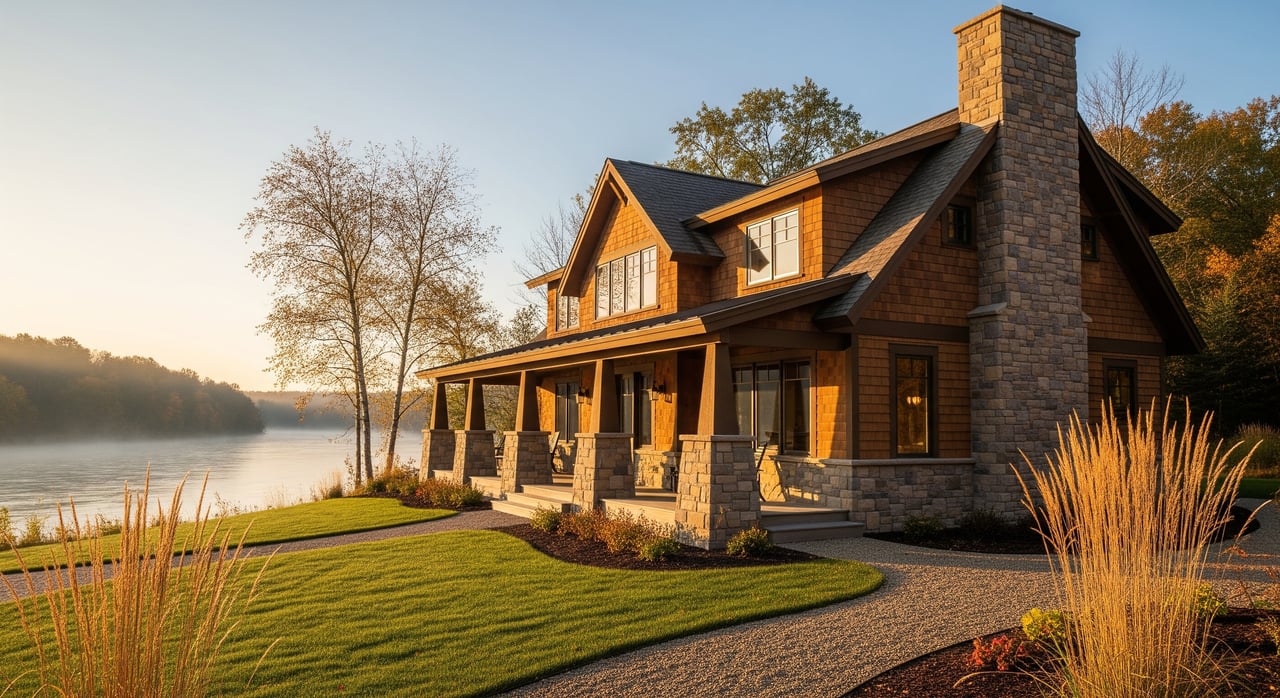
Home Inspection Process in Wisconsin: Merrill Buyer Guide
December 18, 2025
December 18, 2025
Buying a home in Merrill is exciting, but it also comes with questions. What will the inspector check? How long do you have to get it done? And what if the report turns up issues in a northern Wisconsin winter climate? You want a clear plan that protects you and keeps the deal on track.
This guide walks you through what Wisconsin home inspections cover, how inspection timelines work in offers, and the most common findings in Merrill’s housing stock. You will also learn practical steps to negotiate repairs or credits with confidence. Let’s dive in.
A standard home inspection is a visual, non-invasive look at a property’s major systems and components. It is not a code compliance review or a warranty, but it gives you a snapshot of condition on the day of inspection.
Inspectors review the foundation, visible framing, exterior walls, porches, decks, and stairs. They also look at siding, trim, windows, doors, and the site’s grading and drainage. The goal is to flag visible movement, rot, damage, or water management issues.
Expect a visual review of roof coverings, gutters, downspouts, and flashing where visible. In our climate, inspectors pay close attention to attic ventilation and signs of moisture that can come from ice dams. They do not remove roofing materials.
Floors, walls, and ceilings are checked for cracks, stains, and settlement. In basements and crawlspaces, inspectors look for moisture, efflorescence, and ventilation concerns. Sump pump operation and the presence of backup systems are common focus areas in Merrill.
The inspector evaluates visible supply and drain piping, fixtures, water heaters, and accessible sewer connections. Full sewer line scoping is considered a specialized service and is often recommended for older homes or tree-lined lots.
You can expect a review of the service entrance, main panel, visible branch wiring, and accessible outlets. Safety items like grounding, GFCI/AFCI protection where visible, and panel condition are typical checkpoints.
Furnaces, boilers, heat distribution, and thermostats are operated when possible. Many northern Wisconsin homes do not have central A/C, so heating performance and venting get extra attention. Older or oil-fired systems may warrant combustion safety checks.
Fireplaces, chimneys, and wood stoves get a visual review for damage or creosote. A specialized chimney inspection may be advised. Built-in appliances are typically operated for basic function.
Inspectors check for smoke and CO detectors where accessible, guardrails and handrails, and safe egress. These are important for both day-to-day living and loan or insurance approval.
Inspections are non-destructive and do not guarantee future performance. Environmental testing, sewer scoping, and well or septic evaluations are separate services. Inspectors also do not certify code compliance, though they may note obvious safety concerns or older practices.
Northern Wisconsin homes and rural properties often benefit from a few extra checks. Talk with your agent about which ones fit the property you are buying.
Short-term radon tests run 48 to 96 hours. The EPA action level is 4.0 pCi/L. Many Wisconsin areas show elevated potential, so testing is a common add-on.
If the home has a private septic system, order a functional evaluation. This typically includes tank access, pumping history, distribution components, and drainfield performance. Local permitting rules may apply for replacement.
For private wells, request bacteriological testing for coliform/E. coli and nitrates. Depending on the property, you might also test mineral content such as iron or manganese.
Older homes benefit from a camera scope of the main sewer line, especially if large trees are nearby. Homes with fireplaces or wood stoves often need a higher-level chimney inspection.
Homes built before 1978 may contain lead-based paint. Suspect materials such as vermiculite insulation, old vinyl flooring, or pipe wrap may require asbestos evaluation.
Your inspection deadlines are set by your offer. In many Wisconsin transactions, the inspection contingency runs 7 to 14 days after acceptance. Ten days is a common middle ground, but tighter markets may push shorter windows.
Merrill’s freeze–thaw cycles, snow loads, and spring melt influence what inspectors look for and what buyers should plan for.
Ice dams can drive water under shingles and into attics. Inspectors look for stained sheathing, poor ventilation, and inadequate insulation patterns. Exterior hose bibs and uninsulated pipes can be vulnerable to freezing.
Full basements are common. Expect attention to moisture, efflorescence, prior waterproofing, and sump pump reliability. Backup power or battery systems are a smart conversation in homes with a history of groundwater.
Forced-air furnaces, boilers, and oil-fired equipment are familiar in northern Wisconsin. Older systems may warrant combustion safety checks and chimney evaluations, especially if the liner or venting is questionable.
Rural and edge-of-town homes often rely on private utilities. Water quality testing and a septic functional evaluation help you plan for maintenance and potential upgrades. Local permitting rules guide repairs and replacements.
Expect possible knob-and-tube wiring, ungrounded outlets, or aged panels in older properties. Pre-1978 paint can present lead hazards, and some older materials may contain asbestos. These are common, manageable findings with the right plan.
Properties near the Wisconsin River or low-lying areas may face seasonal groundwater concerns. Inspectors will emphasize drainage, sump performance, and foundation sealing. Flood insurance needs depend on mapping and your lender’s requirements.
Once you receive the report, you and your agent will prioritize items and choose a negotiation path. Focus on safety, structural, and water-related concerns first.
Underwriters may require correction of major hazards like roof leaks, unsafe electrical conditions, or inoperable heating. Insurers can also require fixes for safety items such as defective chimneys or missing handrails. Share key findings with your loan officer and insurance agent early.
Put agreed repairs in writing with clear scope, licensed contractor requirements, and timelines. Ask for receipts and permits where required. If repairs are completed before closing, consider a reinspection to confirm.
A thoughtful inspection strategy can save you time, money, and stress. If you want help coordinating the right tests, keeping deadlines on track, and negotiating with confidence in Merrill and across northern Wisconsin, reach out to Joleta Wesbrock. You will get clear guidance from offer through closing, so you can move in with confidence.
Stay up to date on the latest real estate trends.
I offer the highest level of knowledge, service and integrity. I care deeply about my clients and customers. Their real estate needs are my #1 priority and my goal is to exceed your expectations and be your realtor for life.