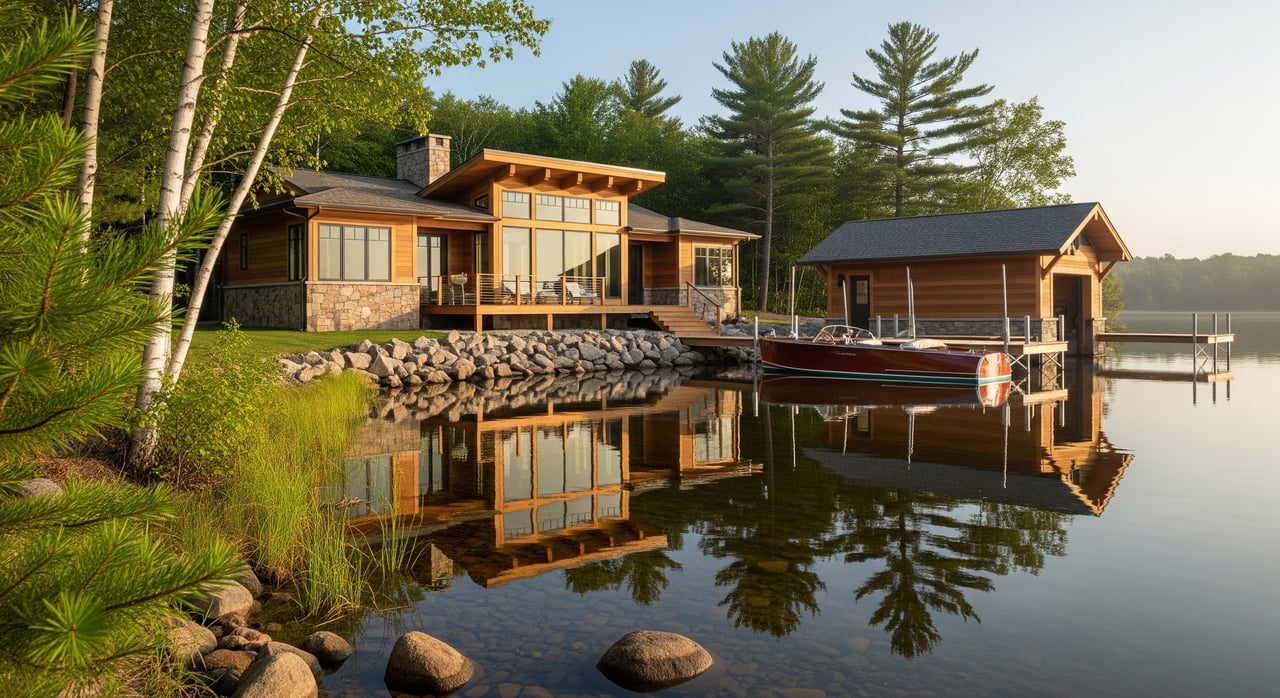
Housing Demand on Mosinee Flowage and Half Moon Lake
November 6, 2025
November 6, 2025
Dreaming of mornings on the dock or a quiet paddle after work? If Mosinee Flowage or Half Moon Lake is on your radar, you’re not alone. Waterfront in Marathon County stays competitive because shoreline is finite and lifestyle demand is strong. In this guide, you’ll learn what drives demand, the best timing to buy or sell, which features move prices, and the due diligence steps that protect your investment. Let’s dive in.
Mosinee Flowage is a reservoir on the Wisconsin River system. As a flowage, water levels can fluctuate based on dam operations upstream or downstream. You get motor boating, fishing, and a mix of full-time homes, cabins, and public access points.
Location matters too. Proximity to Wausau-area jobs, healthcare, and regional amenities helps support year-round interest, not just summer buyers. If you want a place that works for weekends and everyday living, the flowage can fit both.
The Mosinee-area Half Moon Lake is a smaller inland lake that appeals to buyers who want quieter water, smaller-boat recreation, fishing, and a cottage feel. Note there are several lakes named Half Moon in Wisconsin. Always confirm the specific parcel and the Wisconsin DNR lake page when you’re evaluating a property.
On smaller lakes, usable shoreline, water clarity, and no-wake or speed rules can shape the experience and the buyer pool. That’s why lake-by-lake details matter during your search or prep to list.
Waterfront supply is limited by nature. Each parcel has only so much frontage, and there’s no easy way to create more shoreline. Shoreland zoning, minimum lot sizes, and environmental protections restrict subdivision and new construction. Some shoreline is also preserved through conservation or held as public access, further limiting what hits the market.
In short, you’re competing in a small pool where quality frontage, usable shoreline, and compliant improvements drive outsized results.
Direct, private frontage typically commands a premium over shared or association access. The length of frontage, view corridors, and how you can use the shoreline all influence value.
Gradual, sandy approaches and spots for easy swimming and docking are prized. Steeper banks, wetlands, or rockier edges can narrow the ways you use your shoreline, which can impact pricing and time on market.
Flowages often see water-level variation. That can affect how you dock, how much beach is exposed at different times, and overall buyer preferences. Some buyers prefer the stability of closed-basin inland lakes, while others love flowage size and access.
Year-round access, municipal services, a durable driveway, and high-speed internet broaden your buyer pool. Full-time residents often prioritize reliable septic and well systems, solid insulation, and practical storage like a heated garage.
Buyers pay attention to clarity, algae concerns, and invasive species reports. Strong fisheries for species like walleye, bass, and panfish can be a plus for anglers. Verify lake-specific details through local resources when you evaluate or market a property.
Shoreline erosion, riprap, seawalls, and flood risk matter. Buyers weigh maintenance obligations for docks, lifts, and shoreline stabilization, as well as the age and condition of wells and septic systems.
Use this focused list to protect your investment and speed your decision-making:
Buyers move faster when they have facts. Gather permits and records for shoreline stabilization, docks, and boathouses. Consider pre-listing septic and well checks, recent pump service records, and any shoreline surveys. For flowage properties, notes on typical water-level ranges and dock practices can reduce buyer hesitation.
Price for the buyer pool you want. A strategy aimed at second-home buyers may differ from one targeting full-time locals. Expect focused inspection contingencies, especially for septic, heating, shoreline, and docks. Getting estimates ahead of time lets you negotiate with confidence.
Waterfront valuation is highly site-specific. Appraisers adjust for waterbody type, frontage length and quality, view, shoreline characteristics, and any permitted improvements. The premium over inland homes can vary widely between Mosinee Flowage and a smaller lake like Half Moon, depending on usability and buyer profile.
When analyzing comps, stay on the same waterbody whenever possible and adjust for frontage, slope, shore type, and features like lifts, riprap, and boathouses. That keeps expectations realistic for both buyers and sellers.
You’ll see a mix of full-time residents who want year-round convenience and second-home buyers focused on boating, fishing, and a lake lifestyle. Investors may enter the picture where short-term rentals are permitted by local rules. Lifestyle buyers prioritize access and natural amenities, while practical buyers place more weight on utilities, internet speeds, and winter comfort.
Ready to talk through a purchase or map out a listing plan tailored to these waters? Reach out to Joleta Sells Homes for local guidance, responsive communication, and a marketing plan built for waterfront success. Guiding You Home — Get Your Free Home Valuation.
Stay up to date on the latest real estate trends.
I offer the highest level of knowledge, service and integrity. I care deeply about my clients and customers. Their real estate needs are my #1 priority and my goal is to exceed your expectations and be your realtor for life.