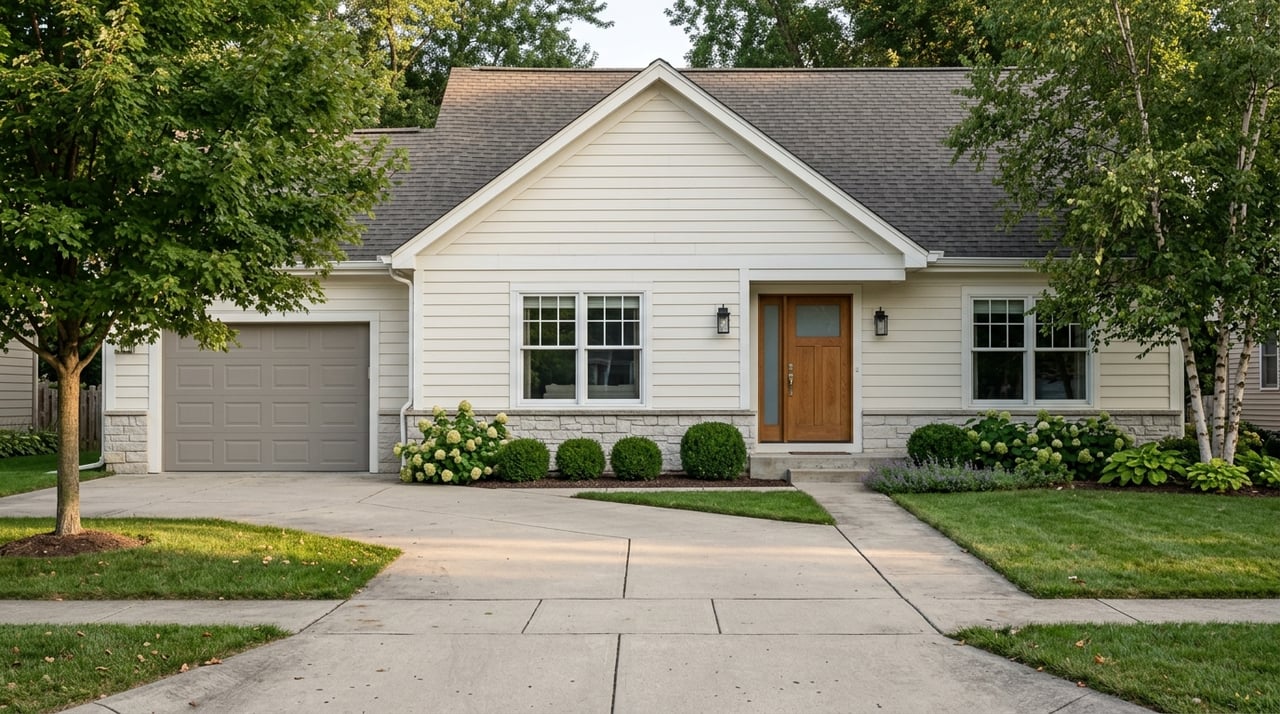
Step-By-Step Guide To Selling A Mosinee Home
April 2, 2026
April 2, 2026
Thinking about selling your Mosinee home? In a balanced market, the right plan can make a real difference in how quickly your home sells and how confidently you move from listing to closing. If you want to avoid common mistakes, stay organized, and make smart decisions at each stage, this guide will walk you through what to expect. Let’s dive in.
Before you list, it helps to know what kind of market you are stepping into. According to Realtor.com’s Mosinee housing market data, Mosinee had 34 active listings, a median listing price of $289,900, a median of 34 days on market, and a 100% sale-to-list ratio as of March 2026, based on February 2026 data.
That matters because Mosinee is currently considered a balanced market. In simple terms, buyers and sellers have fairly even footing, which means buyers often have enough choices to compare homes closely. For you as a seller, that makes accurate pricing and strong presentation especially important.
One of the biggest mistakes sellers make is setting a price based on hope rather than market evidence. In a balanced market like Mosinee, an overpriced home may sit longer while buyers move on to other options.
A smart pricing strategy should be based on recent local comparable sales, current competition, and your home’s condition and features. Online estimates can be a starting point, but they are not a substitute for a real pricing analysis grounded in the current Mosinee market.
When your home is priced well from the start, you give yourself a better chance to attract serious interest early. That first stretch on the market often shapes how buyers view your listing.
Preparation is not just about making your home look nice. It can directly affect buyer interest, time on market, and even the offers you receive. According to the National Association of Realtors 2025 staging report, 29% of agents said staging increased the dollar value offered by 1% to 10%, and 49% said staging reduced the time homes spent on the market.
The same report found that sellers’ agents most often recommended:
Those basics go a long way. Buyers want a home that feels easy to picture, easy to tour, and easy to photograph.
NAR reported that the living room, primary bedroom, dining room, and kitchen were the spaces most often staged. These are also the rooms that often carry the strongest visual impact in online photos and in-person showings.
If you are short on time or budget, start there. Clean surfaces, simplify decor, open up walking space, and make sure lighting is bright and inviting.
Today, many buyers first experience your home online. The NAR report also noted that photos, physical staging, videos, and virtual tours all influence buyer reactions.
That means your home should be ready not only for walkthroughs, but also for marketing materials in the first week it hits the market. A well-prepared home gives your listing a stronger launch.
Selling a home in Wisconsin comes with disclosure responsibilities, and it is smart to start gathering that information before your home goes live. Good preparation here can help prevent delays and reduce the risk of problems later.
According to WisBar’s guide to buying and selling real estate in Wisconsin, in most Wisconsin home sales, sellers must provide a condition report disclosing known defects and a lead-based paint disclosure when applicable. WisBar also notes that the completed condition report must be given to the buyer within 10 days after acceptance of the offer to purchase.
If that report discloses a defect, a buyer may have the right to rescind. WisBar also warns that non-disclosure or false disclosures can lead to serious claims later, so accuracy matters.
If your home was built before 1978, federal lead-based paint rules apply. The Wisconsin Department of Health Services says sellers, landlords, or sales agents must provide the EPA pamphlet on lead, disclose known lead hazards, and give buyers a 10-day period to obtain a lead-based paint inspection or risk assessment.
DHS explains that these rules work alongside the federal disclosure requirements, which include a lead warning statement and buyer acknowledgment in the transaction paperwork. If your home falls into this category, it is best to get those forms ready early.
Radon testing is not required by law in Wisconsin, but it still comes up in many transactions. The Wisconsin DHS radon guidance for real estate transactions recommends testing during a sale, preferably with a short-term closed-condition test in the basement or lowest livable level.
DHS also states that a seller must inform the buyer of any known unsafe radon levels. If you have prior radon test results, keep them handy so you can respond clearly if questions come up.
A successful listing is about more than putting a sign in the yard. In today’s market, presentation and reach matter.
Because buyers often compare several homes at once, your marketing should help your property stand out for the right reasons. That includes strong visuals, a clear pricing strategy, and a plan to make the first days on market count.
A full-service listing approach can help coordinate:
For some properties, especially higher-value or more distinctive homes, broader marketing reach can also help connect with the right buyer pool. The goal is not just attention, but qualified attention.
Once your home is live, convenience matters. If buyers have trouble getting in to see it, you may miss opportunities.
Try to keep the home clean, bright, and ready on short notice when possible. The easier it is for buyers to tour the property, the more likely you are to generate momentum in the early days of your listing.
This is also where preparation pays off. A decluttered, clean, well-staged home is easier to maintain between showings and easier for buyers to remember afterward.
The highest offer is not always the best offer. Terms matter, and Wisconsin offers often include several contingencies that can affect how smooth the transaction will be.
According to WisBar, Wisconsin offers commonly include financing and professional inspection contingencies. They may also include septic and well inspections, a land survey, the sale of the buyer’s home, or seller occupancy after closing.
Once both parties sign, the offer becomes a binding contract subject to those contingencies. If an inspection uncovers defects, repairs or credits may become the next stage of negotiation.
When reviewing offers, look at the full picture:
A clean, well-structured offer with fewer complications can sometimes be more attractive than a slightly higher offer with more risk.
After you accept an offer, the process shifts to deadlines, documents, and contingency tracking. This is the stage where organization becomes especially important.
WisBar explains that once contingencies are satisfied and amendments are signed, the transaction can move to closing. At closing, buyers and sellers sign documents, the deed is recorded with the county register of deeds, and the buyer receives the title insurance policy.
The title commitment may reveal liens, easements, or restrictions that need attention before closing. Surfacing these items early can help prevent last-minute surprises.
If there are mortgage payoff questions or property-related title issues, it is best to address them as soon as possible. The closer you get to the closing date, the less room there is for delays.
One closing cost sellers should know about is the Wisconsin real estate transfer fee. According to the Wisconsin Department of Revenue, the grantor pays 30 cents for each $100 of value or fraction thereof on non-exempt conveyances.
The Department of Revenue also notes that the real estate transfer return moved from the eRETR system to My Tax Account in January 2026. That is mostly a behind-the-scenes filing detail, but it is one more reason to make sure your closing team is current and organized.
Most seller problems are preventable with the right plan. In Mosinee, a few issues stand out more than others.
Here are some of the biggest avoidable mistakes:
With Mosinee’s current median of 34 days on market, timing can vary based on price, condition, and how smoothly the contract process moves. The better prepared you are from the start, the easier it is to keep your sale on track.
Selling your Mosinee home does not have to feel overwhelming when you break it into clear steps. If you price to the current market, prepare your home carefully, stay on top of disclosures, and keep the closing process organized, you put yourself in a much stronger position.
If you want local guidance from a trusted professional who knows how to market homes, manage details, and keep the process moving, connect with Joleta Wesbrock. Her approach is hands-on, responsive, and built to help you move forward with confidence.
Stay up to date on the latest real estate trends.
I offer the highest level of knowledge, service and integrity. I care deeply about my clients and customers. Their real estate needs are my #1 priority and my goal is to exceed your expectations and be your realtor for life.