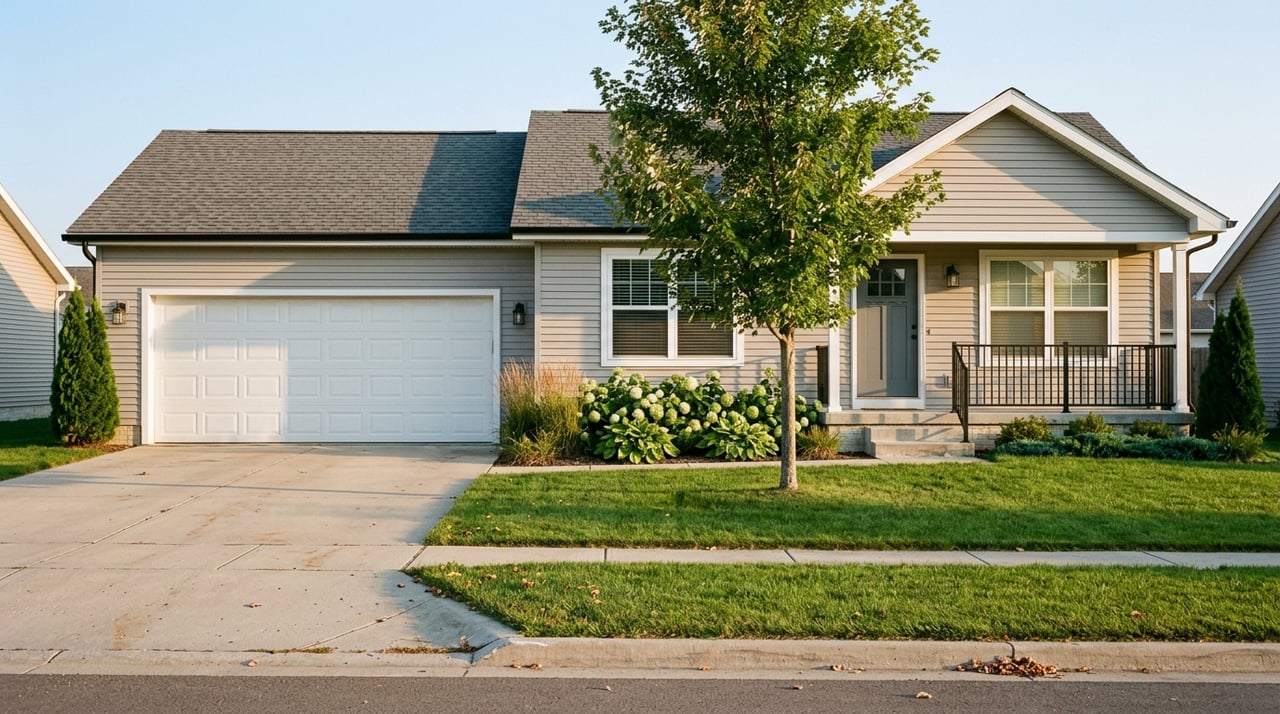
Living in Marathon City WI: A Guide for Homebuyers
April 16, 2026
April 16, 2026
Wondering if Marathon City might be the right fit for your next move? If you want a small Wisconsin village with a local-business feel, easy access to outdoor recreation, and a straightforward drive to Wausau-area jobs and services, Marathon City deserves a closer look. Here’s what you should know about daily life, housing, amenities, and what kind of buyer tends to feel most at home here. Let’s dive in.
Marathon City is a village in Marathon County along Highway 29, about 10 miles west of Wausau and I-39. According to the Village of Marathon City, the community has about 1,576 residents and serves as a regional employment center with nearly 2,000 daily commuters.
Even though it is small, Marathon City has an active local economy. Village materials note a renovated Main Street with brickwork and decorative street lighting, and the business directory lists more than 75 local businesses across industries like retail, service, manufacturing, health, transportation, and construction.
That mix gives the village a practical, lived-in feel. You get a smaller community setting without being far from larger regional amenities in the Wausau area.
Living in Marathon City often means trading constant activity for a steadier pace. You are more likely to notice local events, seasonal routines, and familiar businesses than a fast-changing commercial scene.
At the same time, the village is not isolated. Highway access makes it easier to commute or head into nearby communities for work, shopping, medical care, and other services while still coming home to a smaller setting.
For many buyers, that balance is the main draw. If you want breathing room, local character, and a community where everyday errands feel manageable, Marathon City may check a lot of boxes.
If you enjoy spending time outside, Marathon City offers more than you might expect for a village of its size. The village highlights Veteran’s Park, Tower Park, and Riverside Park, and Riverside Park includes river access and primitive hiking trails.
Local recreation options also extend beyond parks. The same village parks and recreation page notes that the Marathon Area Swim Association operates an indoor Swim Center, and Marathon High School has a public Wellness Center that is open year-round.
The village’s community profile also points to nearby fishing, biking, hiking, snowmobiling, and groomed cross-country ski trails, with Granite Peak just minutes away. In March 2026, the village announced the County Materials Sports Complex, which includes baseball and softball fields, basketball courts, pickleball courts, and a playground.
For you as a buyer, that means recreation is not limited to one season. Whether you like walks by the river, organized sports, or winter activities, there are several ways to stay active close to home.
One of the easiest ways to get a feel for a place is to look at how people gather. In Marathon City, recurring events include a farmers market and community events at Veteran’s Park, along with a summer concert series, Fun Days over Labor Day weekend, Holly Days, and seasonal small-shop and craft events.
These kinds of events add rhythm to the year. They also make it easier to plug into the community if you are new to the area.
For some buyers, that sense of connection matters just as much as square footage. If you value a place where local traditions still shape the calendar, Marathon City offers that small-town pattern.
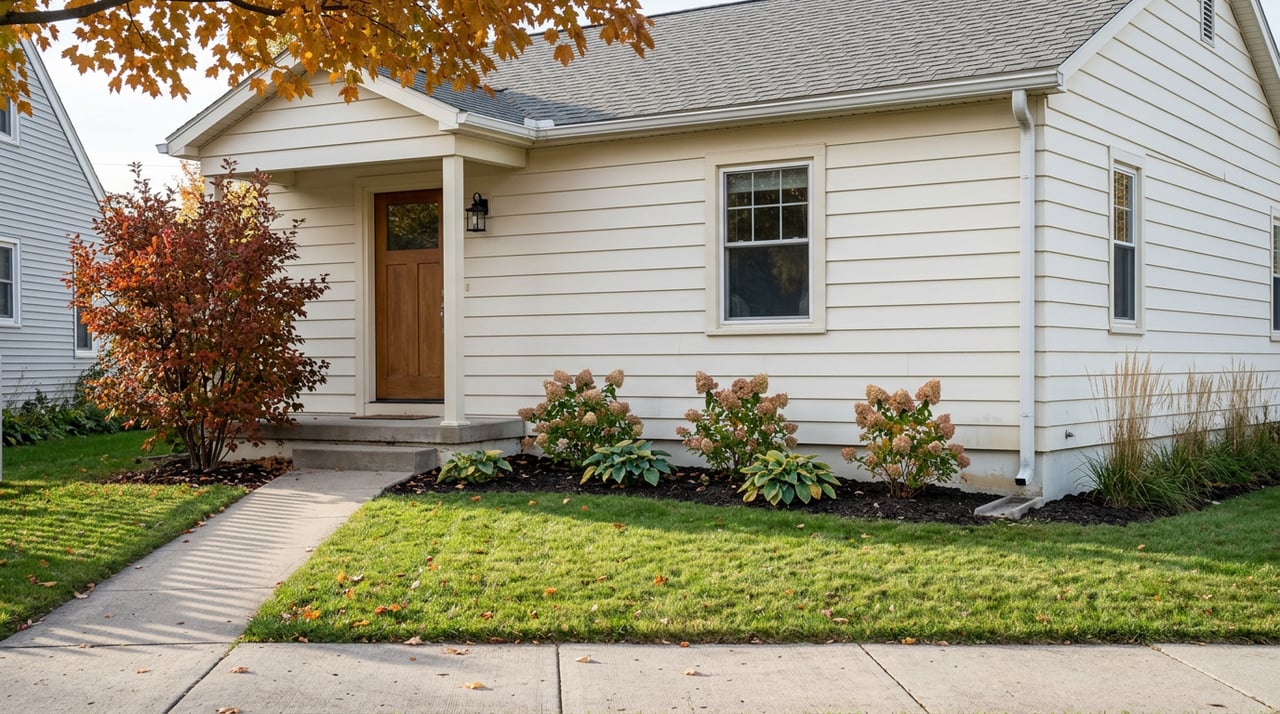
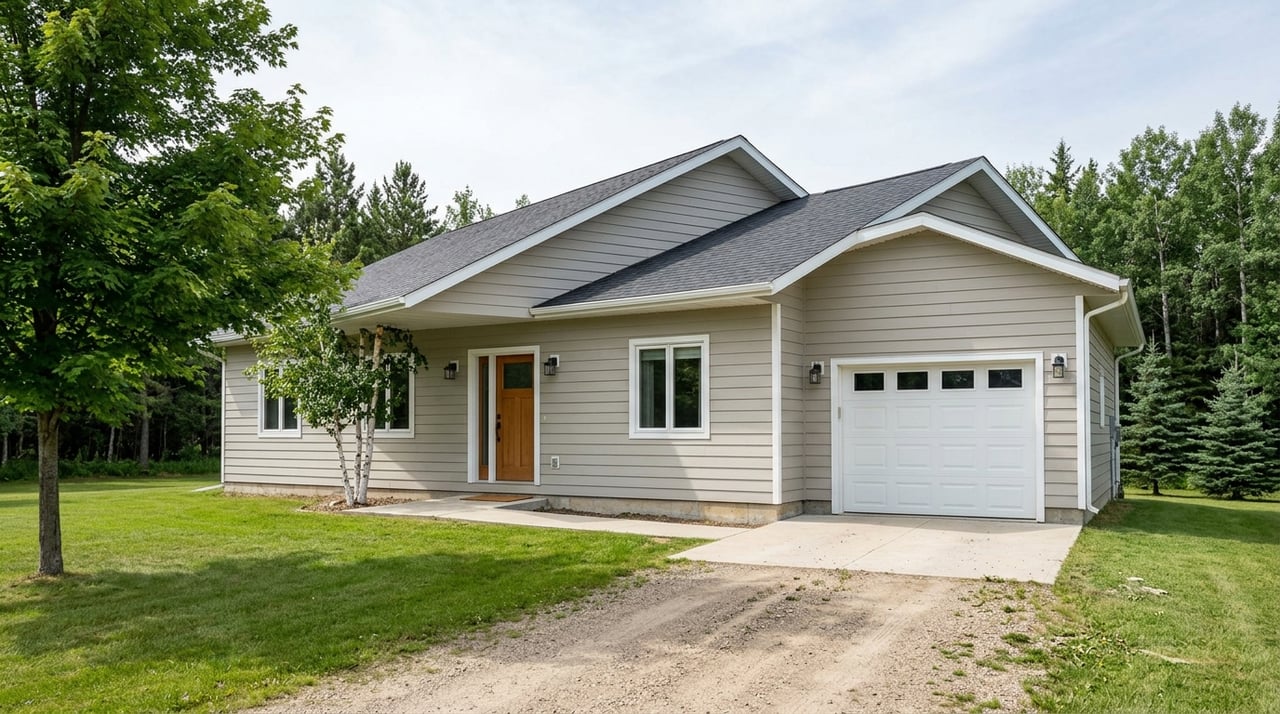
Housing in Marathon City is shaped mostly by single-family homes. The village’s comprehensive plan reports that in its 2015 housing inventory, Marathon City had 522 single-family homes, 16 duplexes, 48 small multifamily units in 3-to-9-unit buildings, and 35 units in larger multifamily buildings.
That same plan found that 80.1% of occupied housing units were owner-occupied. In simple terms, Marathon City has historically been a community with a strong ownership pattern and a more limited range of housing types than larger nearby cities.
Current county data shows about 724 housing units in the village, a median owner-occupied home value of $267,133, and a median household income of $82,781, according to Marathon County Pulse. That points to a relatively small housing market where available inventory may be limited at times.
Marathon City’s comprehensive plan gives some helpful context on how housing varies across the village. It notes that the older core south of the Big Rib River has smaller lots and some small-scale commercial uses, while larger lots are generally found north of the river.
The plan also says a significant share of the housing stock was built before 1939 and during the 1970s. That means you may see a mix of older homes with established layouts alongside homes from later growth periods.
If you are house hunting here, it helps to keep an open mind about style and age. In a small market like this, the right fit often comes down to location within the village, lot size, condition, and timing of available listings.
Marathon City may appeal to buyers who want a detached home and a village setting, but it may feel more restrictive if you want a wide selection of apartments or newer multifamily options. The village’s comprehensive plan specifically identifies a lack of housing options as a community issue and sets goals to encourage more housing diversity, including multifamily and senior living.
That matters because your search strategy may need to be more patient and flexible here than in a larger city. If you are focused on one very specific home type, you may have fewer choices at any given time.
On the other hand, if your priority is a primarily single-family setting with local services and regional access, Marathon City can be a strong match. Knowing that tradeoff upfront helps you search with realistic expectations.
For day-to-day essentials, Marathon City offers a practical set of community resources. The village has a branch library with public computers and Wi-Fi, and county residents can use the broader library system.
The area is served by the Marathon School District, which includes an elementary school, a charter middle school, and a high school. Village materials also reference a K-8 Catholic school in the community.
For healthcare access, the village comprehensive plan notes local primary care through the Aspirus Marathon Clinic and an Astia Health telemedicine clinic, with regional hospital access in Wausau, Weston, and Marshfield. For many buyers, that mix of local basics plus nearby regional care is an important part of the village’s appeal.
Marathon City is likely to fit buyers who want a small village atmosphere, access to outdoor recreation, and an easier drive to Wausau-area jobs and amenities. If you like the idea of local parks, community events, and a home market centered mostly on single-family properties, it may feel like a natural fit.
It may be especially worth a look if you want:
At the same time, it may be less ideal if you want a larger apartment market, a wider range of housing types, or a busier retail and restaurant scene. In that case, a larger nearby city may offer more options.
Before you buy in Marathon City, think about how you want your daily routine to feel. Do you want a quieter home base with community events and recreation nearby, or do you prefer more on-the-go convenience and a broader range of housing and commercial options?
It also helps to look at the tradeoffs of a smaller market. Limited inventory can make timing more important, but that same smaller scale is part of what many buyers find appealing.
If Marathon City sounds like your kind of place, the next step is seeing how current listings, lot patterns, and commute needs line up with your goals. If you want guidance on homes in Marathon City or nearby Central Wisconsin communities, connect with Joleta Wesbrock for clear, local insight and a hands-on approach that helps you move with confidence.
Stay up to date on the latest real estate trends.
I offer the highest level of knowledge, service and integrity. I care deeply about my clients and customers. Their real estate needs are my #1 priority and my goal is to exceed your expectations and be your realtor for life.