
Selling Your Rothschild WI Home With Smart Prep
May 14, 2026
May 14, 2026
Thinking about selling your home in Rothschild? In a small market with limited inventory, the right strategy can make a real difference in how quickly your home sells and how confidently you move forward. If you want to attract serious buyers, avoid preventable delays, and launch with a strong plan, a little prep goes a long way. Let’s dive in.
Rothschild is a relatively small, mostly owner-occupied community, with a 2024 population of 5,629 and an owner-occupied housing rate of 74.7% for 2020 through 2024. In a market this size, each listing can have more impact than it might in a larger city. That means your pricing, presentation, and timing are especially important.
Recent data points to a market with thin inventory and active buyers, but not careless buyers. March 2026 figures showed a median sale price of $317,000 in Rothschild, with 7 homes sold and a median 58 days on market. Other market snapshots also reflected low supply, which supports a seller strategy focused on preparation and realistic pricing.
Countywide numbers reinforce the same message. In Marathon County, homes sold for a median $299,500 in March 2026, with a 99.8% sale-to-list ratio and 36.6% of homes selling above list price. At the same time, 12.8% of homes took price drops, which is a reminder that buyers are still paying close attention to value.
One of the biggest mistakes sellers make is choosing a price based on hope instead of current local sales. In Rothschild, where the number of active and recently sold homes can be small, broad county averages are helpful for context but should not drive your list price on their own. The strongest pricing strategy starts with the most recent sold comps that truly match your home.
Rothschild’s March 2026 sale-to-list ratio was 98.4%, which suggests that homes are selling close to asking price when they are positioned well. That is encouraging, but it does not mean you should overreach. A realistic price helps create early interest, supports stronger showing activity, and can reduce the chance of sitting on the market long enough to need a price cut.
When a home enters the market too high, buyers may skip it before they ever step inside. In a small market like Rothschild, that early loss of momentum can be hard to recover from. Even in an active market, buyers compare value carefully.
A smart launch is usually better than a hopeful one. If your home shows well and is priced from fresh local data, you are more likely to attract serious attention right away. That early activity often shapes the entire listing period.
Spring is often the strongest season to list, and 2026 national research pointed to the week of April 12 through 18 as a particularly strong listing window. Homes listed in that period historically saw more views, less competition, faster sales, and slightly higher prices than other weeks. For Rothschild sellers, the bigger lesson is not just when to list, but when your home is truly ready.
If your house needs paint touch-ups, decluttering, minor repairs, or better photos, it is usually worth taking care of those items before going live. Rushing to market before the home is ready can undercut the benefits of good timing. Preparation should come first, then timing should support the launch.
You do not need a full remodel to make your home more appealing. The most effective pre-list projects are often the simple, visible ones that help buyers feel confident about the property. Cleanliness, upkeep, and presentation usually matter more than expensive changes.
Industry research from 2025 found that agents most often recommend painting the entire home, painting one room, and replacing or upgrading the roof before selling. The same research showed that curb appeal matters greatly in attracting buyers. In practical terms, that means your first goal should be to make the home look cared for, bright, and move-in ready.
Before listing, focus on improvements like these:
If your front entry looks worn, even a targeted improvement can help. Research in 2025 found that a new steel front door had an estimated 100% cost recovery. Kitchen and bathroom updates also continue to have strong buyer appeal, but many sellers get better returns from smaller, visible fixes than from taking on a major renovation right before listing.
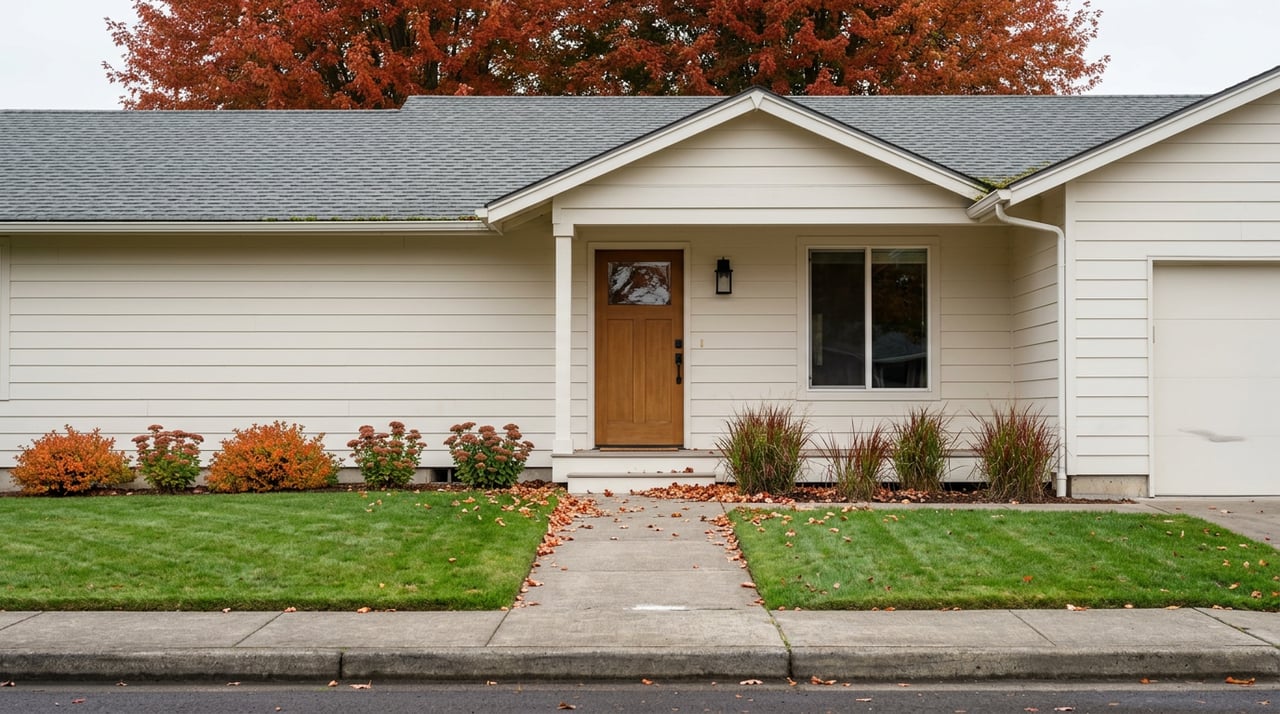
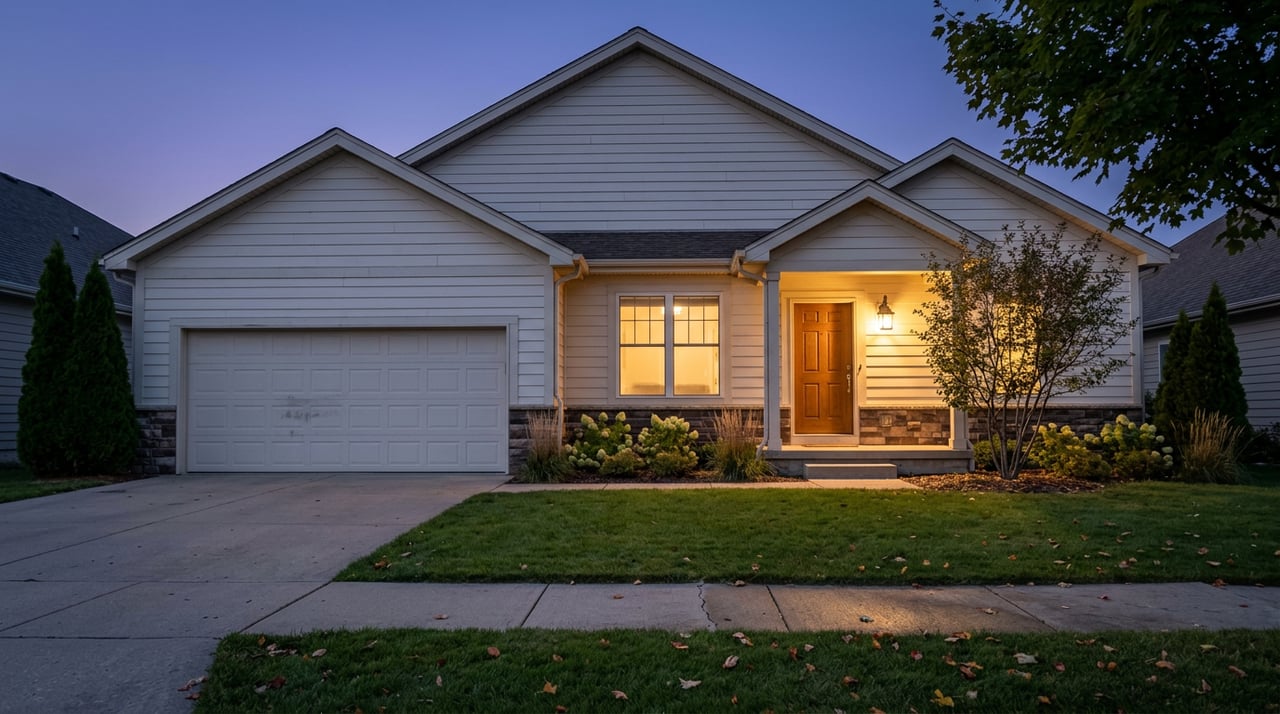
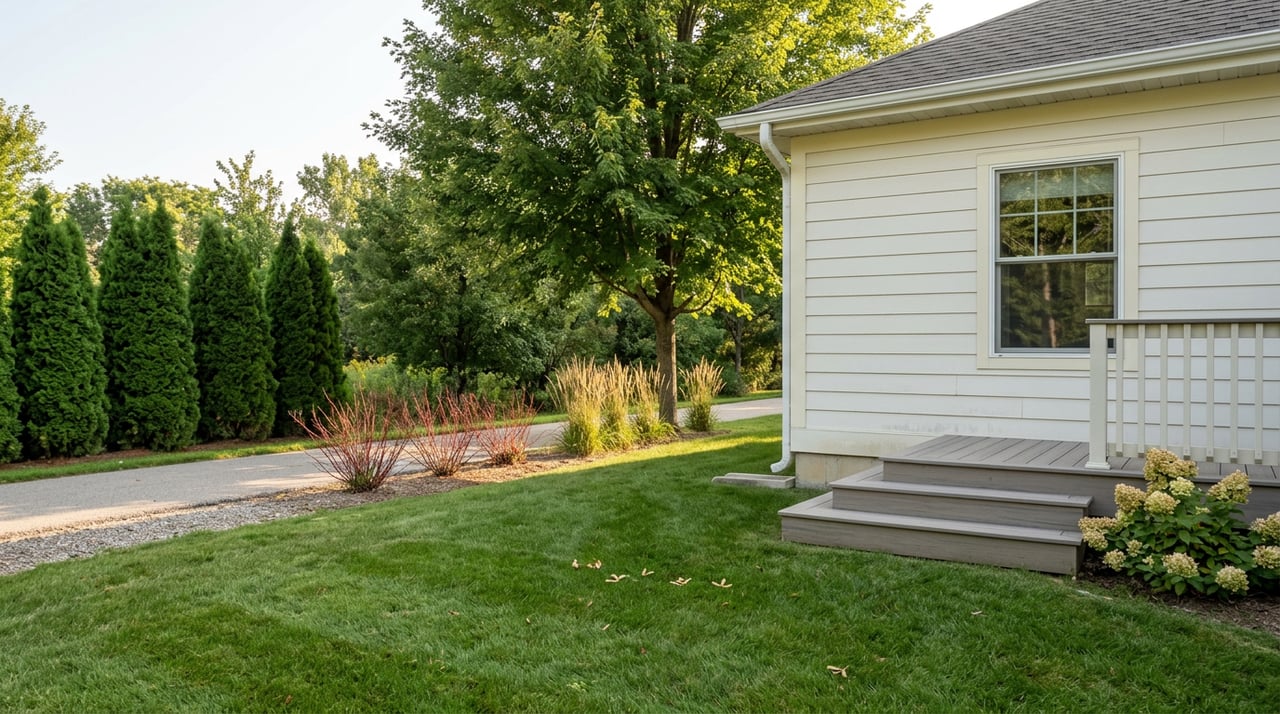
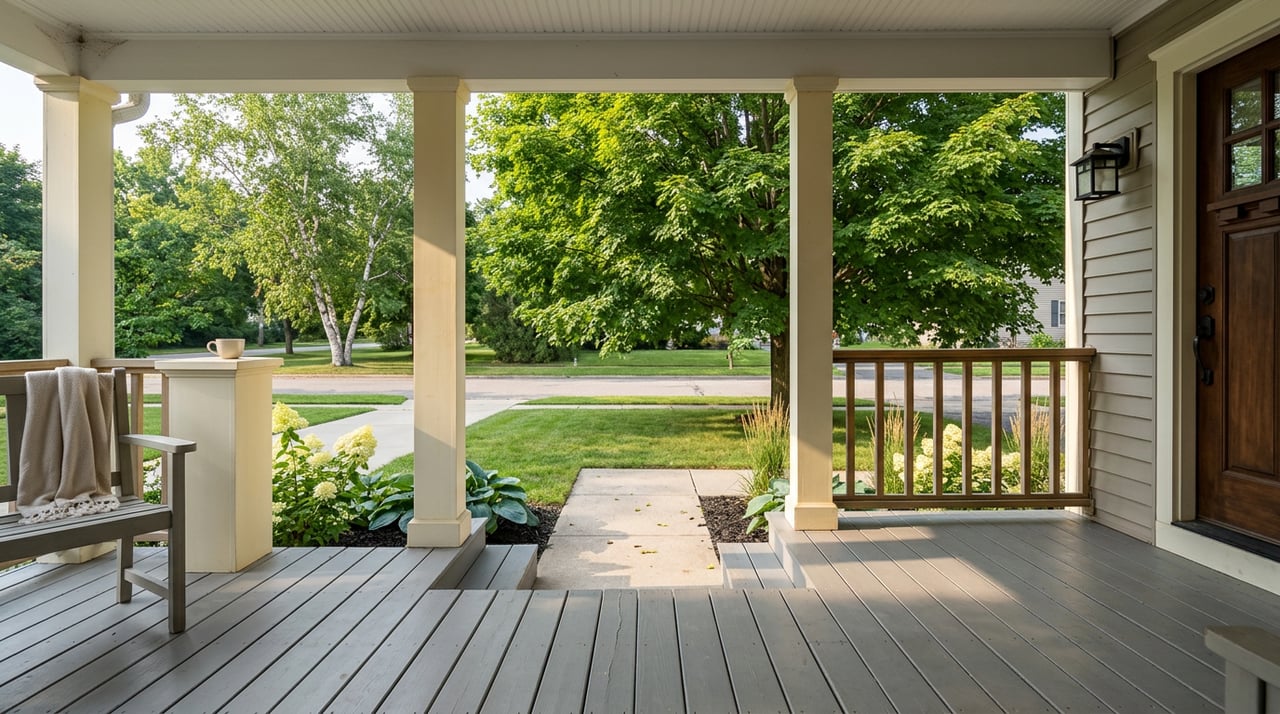
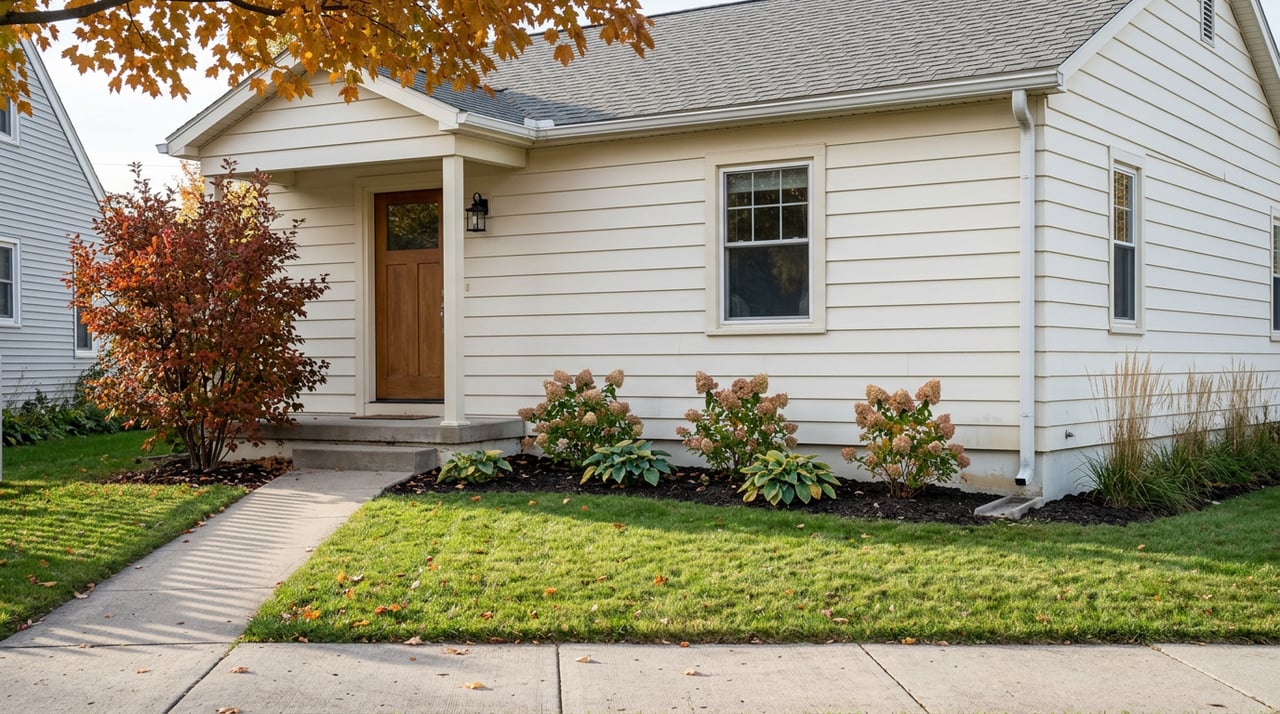
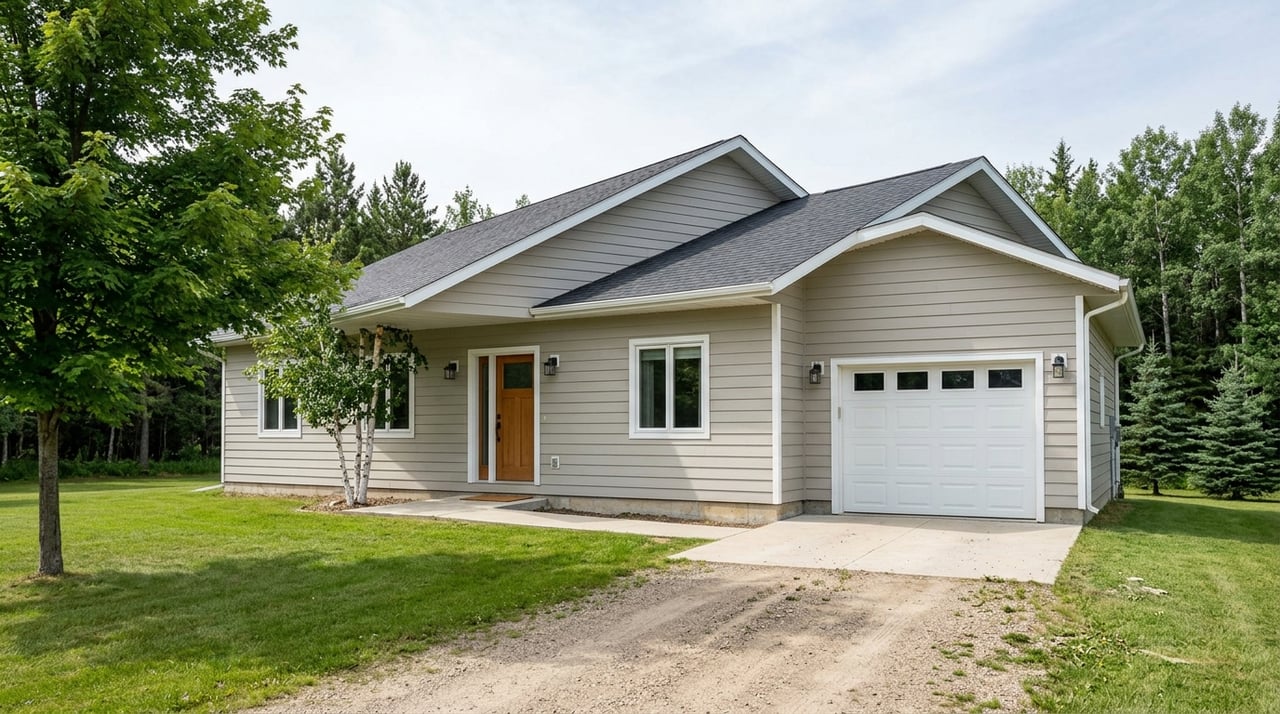
Buyers often form their first impression before they enter the home. That impression starts online with the exterior photo, then continues when they pull into the driveway. In Rothschild, where inventory can be limited, curb appeal can help your listing stand out quickly.
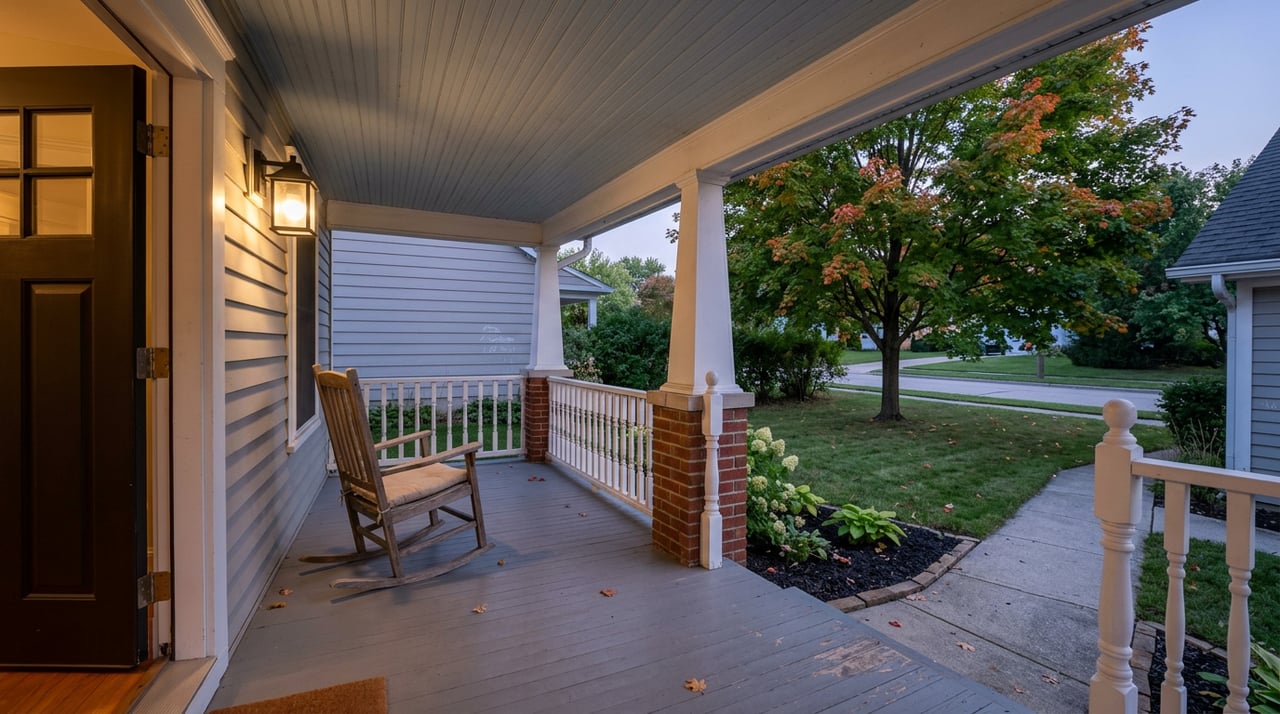
Simple work can have an outsized effect. Clean up landscaping, remove debris, trim overgrowth, sweep walks, and make sure the front door area feels welcoming and maintained. If buyers see a home that looks cared for on the outside, they often feel more confident about what they will find inside.
Staging does not have to mean renting a full house of furniture. Often, it means editing what is already there so rooms feel open, functional, and easy to understand. That can be especially helpful if your layout has smaller rooms, mixed-use spaces, or lots of personal decor.
According to 2025 research, 83% of buyers’ agents said staging made it easier for buyers to visualize a property as a future home. Another 29% of sellers’ agents said staging increased dollar value offered by 1% to 10%. For many Rothschild sellers, that supports a practical approach: declutter, simplify, brighten, and highlight the home’s best features.
Cosmetic prep is only part of the job. Sellers also need to prepare the documents that can slow down a transaction if they are missing. Having these items ready before you list can help reduce stress once an offer comes in.
Try to gather the following before your home hits the market:
In Wisconsin, most sales of 1 to 4 dwelling units require the seller to furnish a completed Real Estate Condition Report within 10 days after acceptance. If that report is not delivered on time, the buyer may have rescission rights. Getting organized early can help you avoid last-minute scrambling.
If you completed remodeling or structural work, permit history matters. The Village of Rothschild requires permits for new buildings, additions, and alterations or remodels for single-family and two-family homes. Projects over $5,000 also require a refundable $1,000 construction bond.
Work involving driveway placement, sidewalks, or culvert installation may also require approval. If your property includes wetland or floodplain considerations, additional review may apply. Before listing, collect permit paperwork, final inspections, and contractor invoices so buyers can see the work was handled properly.
If your home was built before 1978, lead disclosure rules apply. Sellers of most pre-1978 homes must disclose known lead-based paint information, provide the required pamphlet, and give buyers a 10-day period to conduct a lead inspection or risk assessment. This is especially important if you plan to repaint or refinish older surfaces before listing.
Most buyers begin their search online, so your home’s digital presentation matters just as much as its in-person appearance. In 2025 research, 81% of buyers said listing photos were the most useful feature in their online search, and 52% found the home they bought online. That makes photos, sequencing, and overall presentation central to your selling strategy.
Your listing should tell a clean, clear story. Buyers should be able to understand the flow of the home, see its strongest spaces first, and get an accurate sense of condition and layout. In a market like Rothschild, polished online presentation can be the difference between a saved listing and a skipped one.
A strong online launch usually includes:
This is one reason many sellers still choose professional representation. In 2025, 91% of sellers used a real estate agent, while only 5% sold by owner. In a small market, guidance on pricing, exposure, communication, and launch strategy can be especially valuable.
If you want to keep your next steps straightforward, focus on the fundamentals that matter most in this market. Rothschild does not require a flashy strategy. It rewards a disciplined one.
Here is the basic playbook:
That approach fits the way buyers shop today and the way this local market is currently trading. It also gives you a better chance to move from listing to closing with fewer surprises.
Selling a home is a big move, but it does not have to feel overwhelming when you have a clear plan. If you are thinking about selling in Rothschild and want practical guidance on pricing, prep, and marketing, Joleta Wesbrock can help you move forward with confidence.
Stay up to date on the latest real estate trends.
I offer the highest level of knowledge, service and integrity. I care deeply about my clients and customers. Their real estate needs are my #1 priority and my goal is to exceed your expectations and be your realtor for life.